Tecnatox and AMIC, the URV’s two research centres accredited with the prestigious TECNIO seal, are at the forefront of technology transfer and work in a wide range of company and institutional settings
One of the historic challenges facing universities is to ensure that research goes beyond the confines of academic world and generates a positive impact on society. The URV’s Tecnatox and AMIC groups, recognised by the Catalan government with the TECNIO seal, stand out for their ability to combine and transform research results into practical applications in the service of progress. Their managers have to deal with day-to-day challenges and mobilise strategic commitments from companies and institutions.
The ability of Tecnatox and AMIC to attract funding and mobilise large research projects lies in their strategy of close collaboration with companies and institutions. These centres not only engage in high-level research, but also transfer this knowledge to society and provide innovative solutions to complex problems. The TECNIO certification from the Agency for Business Competitiveness (ACCIÓ) of the Catalan government has been crucial for the projection of these centres, as it recognises their status as key agents in the processes of technology transfer in Catalonia. The seal does not mean that they receive a large amount of structural resources but, as Francesc Medina, founder and leading researcher of the AMIC group, explains, “meeting the requirements in order to obtain the seal is very demanding, which in turn makes it very prestigious” in the eyes of companies and institutions.
Last April, the two centres had their TECNIO seal renewed because of their continuing differential technological capabilities, which can be transferred to strengthen the business sector
In fact, last April, the two centres had their TECNIO accreditation renewed, so they continue to be considered technology developers in the country’s R+D+i system, where they have differential technological capabilities that they are able to transfer, thus strengthening the business sector and making the Catalan innovation ecosystem internationally attractive.
The objective of the TECNIO distinction is to identify where catalan companies can find technologies to meet the development needs of new products and processes, through the acquisition or exploitation of patents, the contracting of research and development projects and contact with spin-offs. The URV Foundation, through the Technology and Innovation Transfer Centre (CTTI), supports all the technology transfer activities of these centres and strengthens their relationship with the industry.
Towards decarbonisation
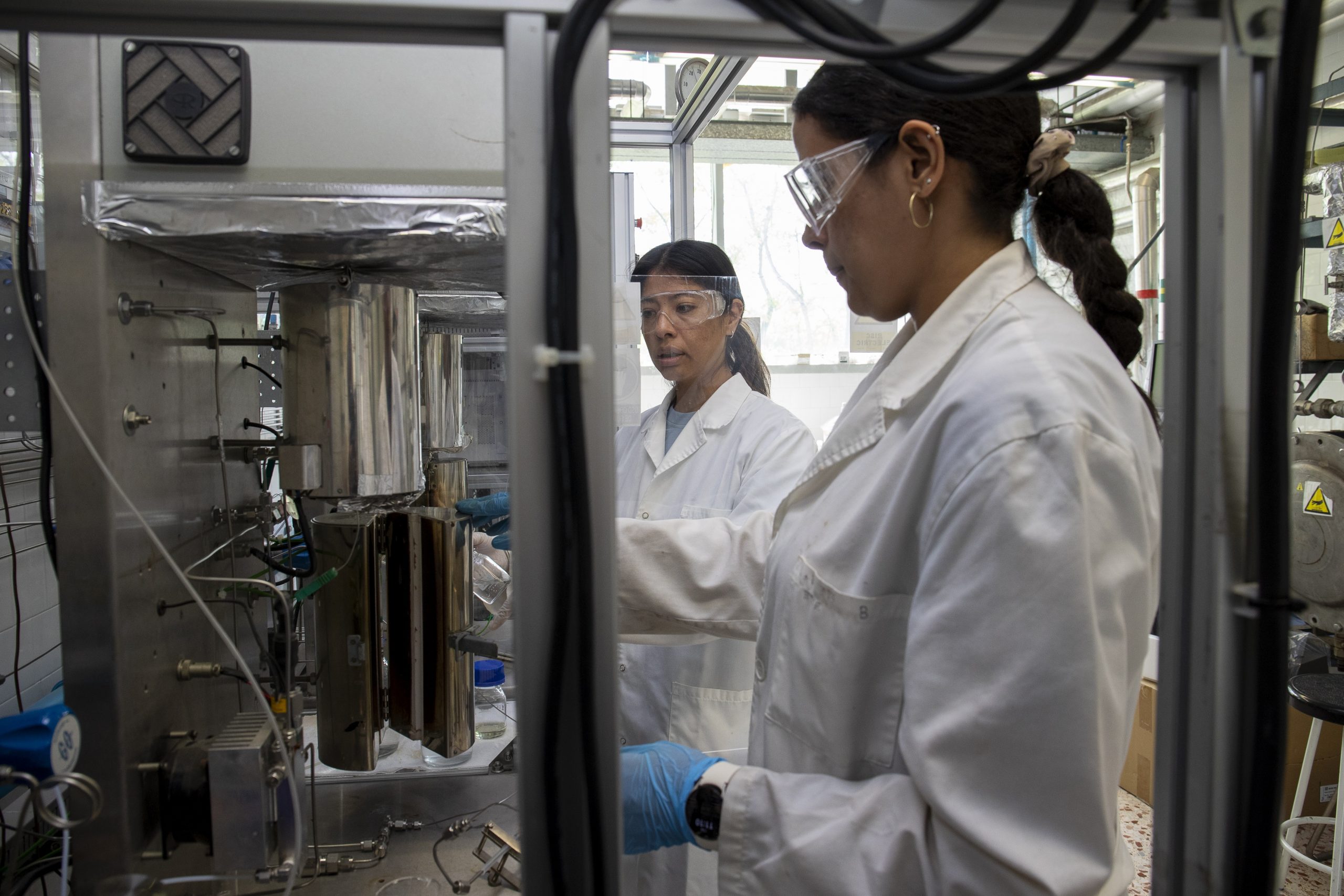
The Industrial and Environmental Applications of Catalysis (AMIC) research group has more than 40 years of experience in the research and development of solutions in the field of heterogeneous catalysis and advanced materials. It has specialised in dealing with environmental problems generated during industrial processes by designing tailor-made catalytic reactions. Among its areas of specialisation are biomass transformation, hydrogen production, CO2 transformation, photocatalysis, advanced oxidation processes and the treatment of plastic waste to convert it into fuels.
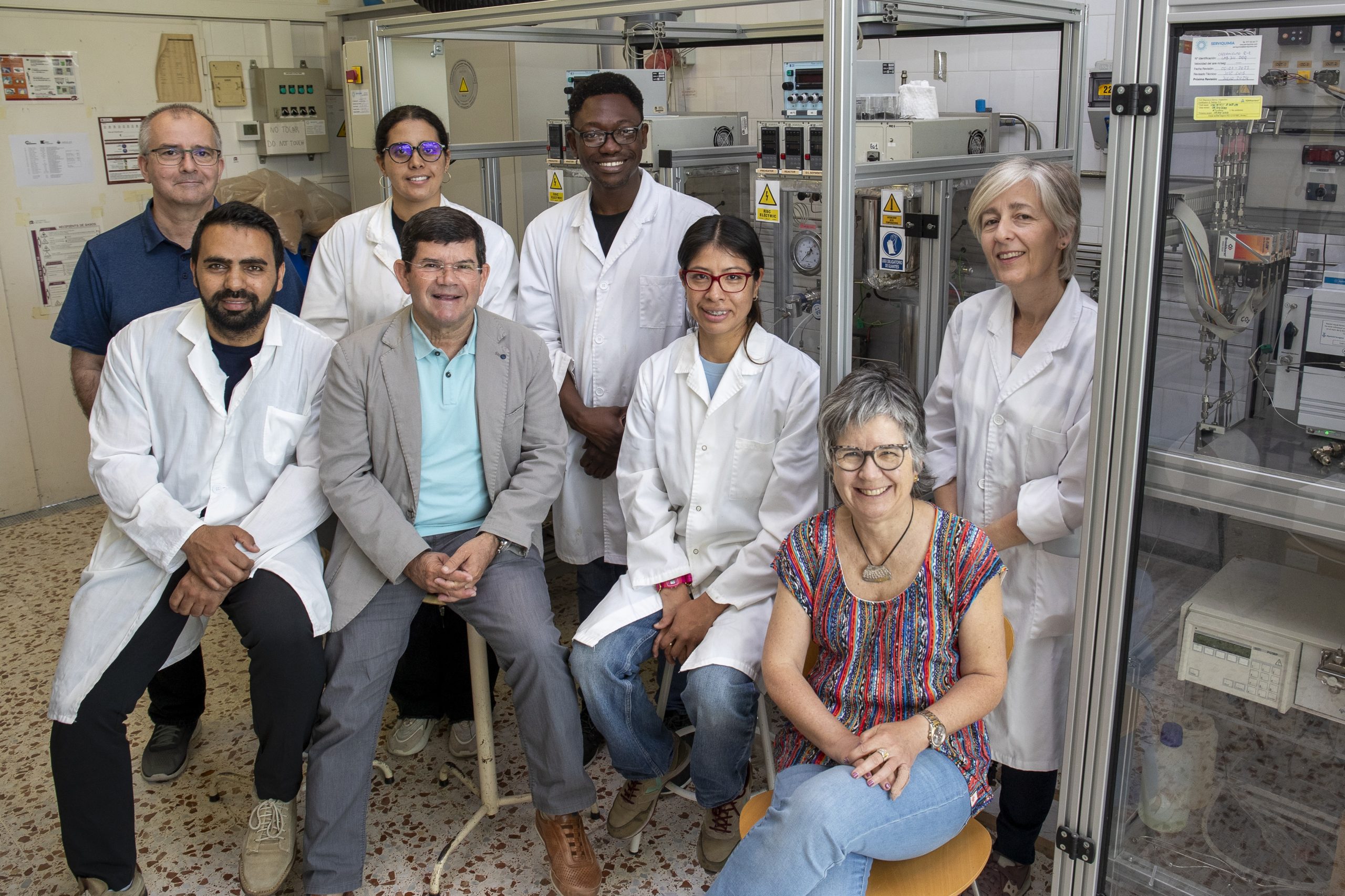
AMIC has more than twenty years of experience in the research and development of solutions to environmental problems generated by industrial processes
For Medina, the key is to maintain contact with many researchers who have studied at the URV during their training and who have subsequently developed their careers in the business world. “The vast majority of those contracted come because there are people who already know us and know how we work. The companies can’t cover everything, but they do have highly trained staff with access to all the research we publish,” he explains.
Support for transfer
The URV Foundation’sTechnology and Innovation Transfer Centre (CTTI) supports the activities of these TECNIO centres and the other University’s groups that transfer knowledge to society. The following figures are for 2024:
€ 8.2 million in contracts and grants
253 contracting companies and entities
276 people contracted for projects
27 inventions
11 priority patent applications on behalf of the URV
10 intellectual property registrations on behalf of the URV
3 applications for international PCT patents on behalf of the URV
During 2024, AMIC awarded contracts for projects and grants for an amount of almost 1.2 million euros. It signed 14 projects with companies and worked on 27 competitive projects. Currently, there are 15 active projects with companies and 19 active competitive projects.
Examples of AMIC’s company transfer projects are those with Viñas del Duero, for whom it is developing a system to transform CO2 into natural gas, or with Barna Steel, of the Celsa group, who are interested in finding substitutes for anthracite, an energy dense form of coal that is used in the manufacture of steel.
In addition, with the construction company Sorigué, which specialises in civil works, it is collaborating on the VAL2H2 project, which aims to develop technologies that can extract renewable hydrogen from difficult-to-manage waste. The research aims to bring about a technological breakthrough in the entire hydrogen value chain, “as it studies the production and purification of renewable hydrogen from biowaste and its packaging for use with fuel cells”, according to Medina.
The use of waste is also the aim of the sustainability, circular economy and biomass transformation project with the INCAPTO coffee brand. This study seeks to convert coffee grounds into bioplastics and other composite materials, which can be used, for example, to make coffee pots. “At a time when decarbonisation is a global priority, it is very important to develop products with added value from biomass, one of the main sources of green energy on the planet,” says Francesc Medina.
Toxins waning
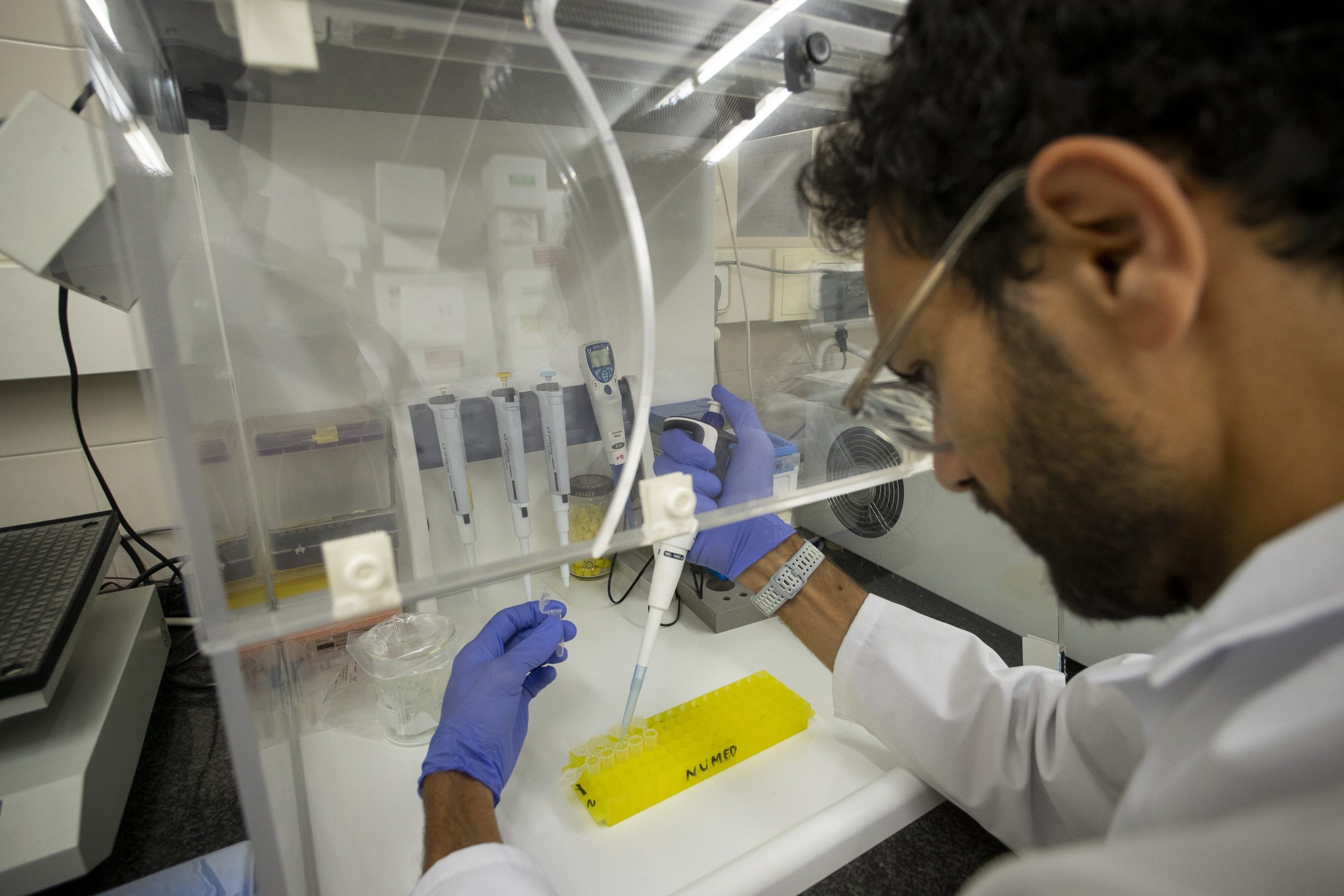
For its part, the Centre for Environmental, Food and Toxicological Technology (Tecnatox), is a research institution specialising in technology transfer in food and environmental toxicology and health that brings together one hundred researchers and seven research groups recognised by the Catalan government (two of which are ICREA). Together, during 2024 the groups that make up Tecnatox were awarded projects and grants for an overall amount of more than 1.4 million euros and collaborated with seven companies and institutions.
Mònica Bulló has taken over the reins after the retirement of the initial promoters, Josep Lluís Domingo and Marta Schumacher, who over the course of almost twenty years have combined their vision and knowledge in the field of toxicology to develop Tecnatox and make it a leader in its field. “Both were pioneers in many aspects. Their work allows us to study the presence of toxins in everything that surrounds us, from what we eat to what we breathe. These are key aspects of health, which have an impact on society and generate interest in industry and government,” explains Bulló.
For example, for years Tecnatox has been studying the presence of microplastics in the environment and their effects on health. In one of the latest studies, they analysed the 580 kilometres of the Catalan coast from Cap de Creus to Vinaròs and concluded that the beach of La Pineda, in Vila-seca, contains up to 2,000 microplastics for each kilogram of sand, a figure that almost doubled that of the second beach on the list, in the Badia del Fangar, in the Ebro delta, which had more than 1,100.
Another recent project addresses the presence of harmful products in the clothing of infants and pregnant women. The study detected a significant presence of toxic compounds in garments made of synthetic material. On the other hand, those made from organic materials had a larger presence of a known carcinogenic compound that is used to prevent clothes from wrinkling in the store. Consequently, Tecnatox researchers now insist on the need to tighten the legislation regulating the presence of harmful chemical compounds in clothing.
Tecnatox is a research centre that brings together seven consolidated research groups and is specialised in the transfer of technology to the fields of toxicology, food and environmental health
Tecnatox is a dynamic consortium that incorporates people from different backgrounds depending on needs and trends. “We want to be able to adapt to find solutions to all the global health challenges that arise, wherever they come from”, assures Bulló. For this reason, one of its most recent research areas has been the use of data science and artificial intelligence in a way that is complementary to the other specialities. The group has been preparing to apply for recognition as a María de Maeztu unit of excellence by the Spanish Ministry of Science, Innovation and Universities. This process has forced Tecnatox to analyse its performance and to consider the challenges it faces. “We have to strive for excellence and set ourselves apart. We have an increasingly multidisciplinary team; we can open up new markets and offer a broader portfolio of services. We generate impactful research and would like to work with more companies in the region, but we don’t have structural funding and we need to give our researchers stability,” explains Bulló.
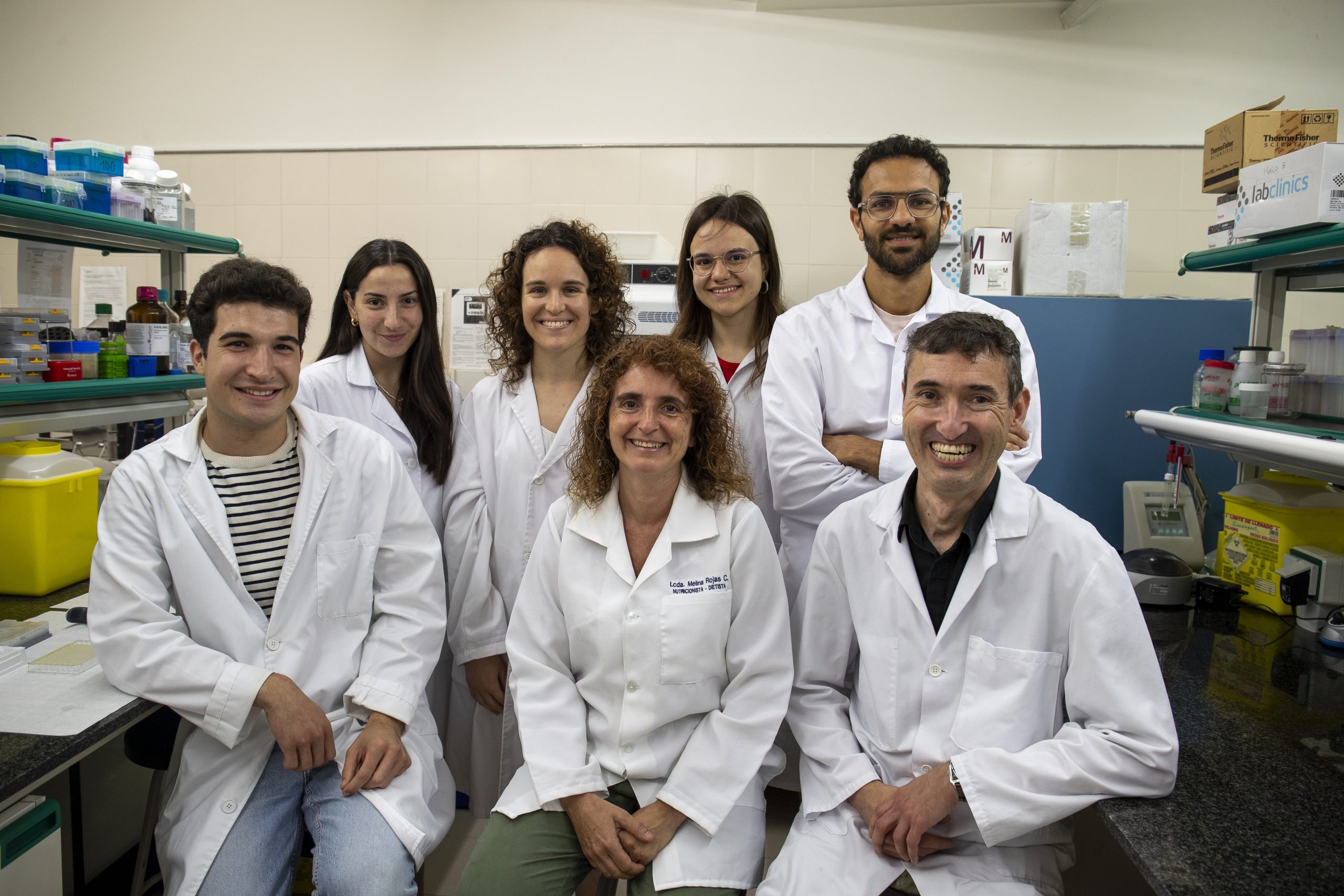
Despite having built up a good network of contacts over the years, Tecnatox has set itself the goal of establishing new links with industry and institutions in the region. One of its planned actions is the creation of its own alumni network so it can maintain contact with researchers who have passed through the research groups and who have gone on to develop professional careers beyond the academic world. “In the last five years, five hundred doctoral graduates have left Tecnatox. They know us, they understand us and they occupy positions in the industry”, says Bulló.
Another aspect that Tecnatox is working on is increasing its participation in forums and interest groups involving other research centres, institutions and companies. In fact, in March this year the group organised for the second time the annual Tecnatox Workshop, a meeting that brings together researchers and professionals from the business sector in the fields of food, health and sustainability. Promoted by the URV, with the support of the Foodtech & Nutrition Hub, Redessa and Reus City Council, the aim is to seek synergies and opportunities for collaboration between local agents and researchers, with the intention of developing concept tests, pilot projects or maturing existing technologies in the areas of nutrition and health, technology and innovation, and toxicology and the environment. In other words, as with everything that is done by the URV’s TECNIO groups, the aim is to keep the progress of society in the spotlight.