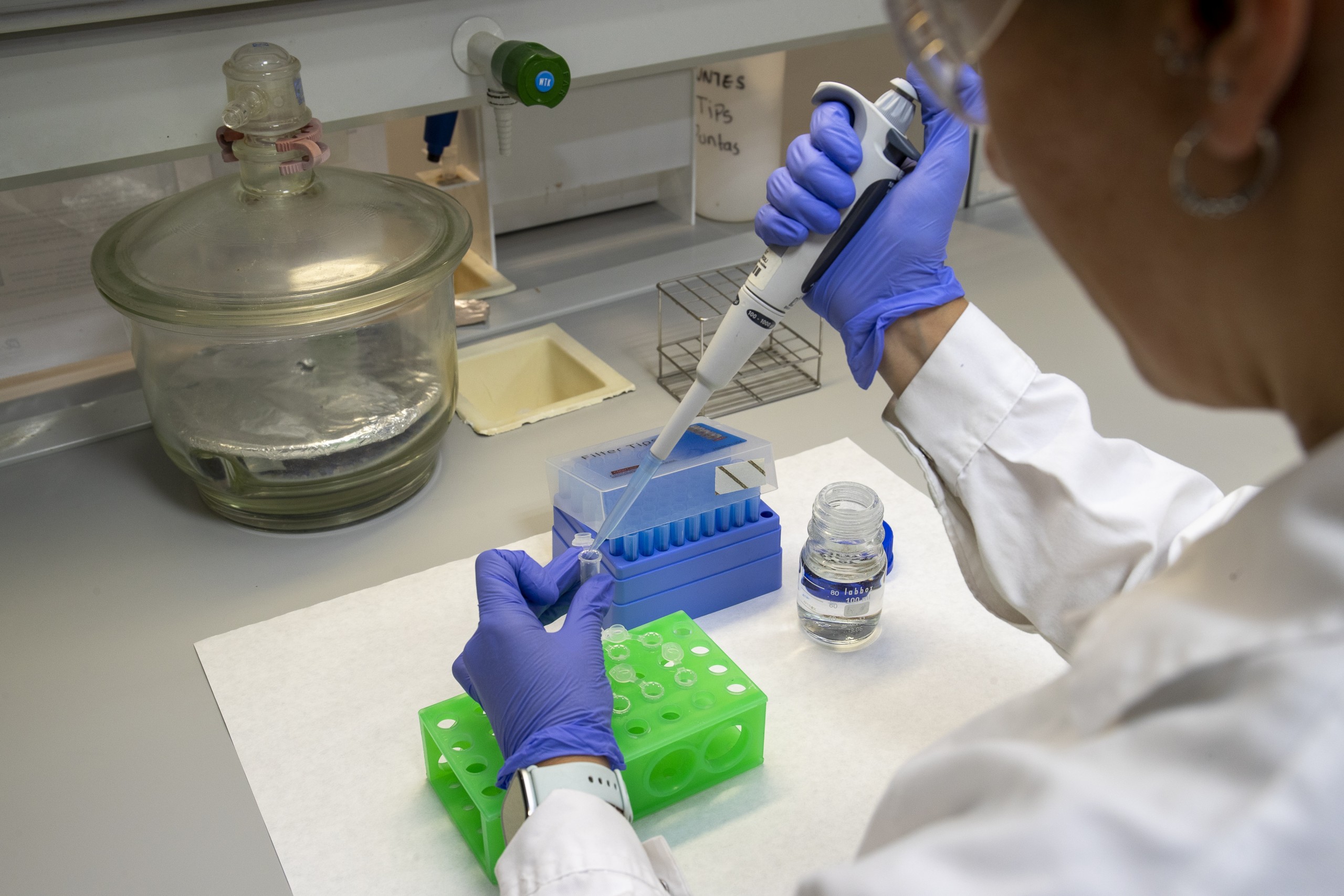
Service-Learning is a pioneering and leading educational initiative by the URV that enables students to help social organisations whilst using their needs as objects of study
“The work that social organisations do is priceless”. They had been repeating this phrase for some time within the walls of the Muralla Social Club de Tarragona, but now they needed to go beyond the cliché and quantify monetarily the impact of their work on the social reintegration of people with mental health problems. In doing so, they hoped to highlight the key role that they play in society and the saving of resources that their work entails. At the same time, the doctoral student William Alomoto (URV’s Doctoral Programme in Economics and Business) was looking for an organisation that he could use as a case study for his thesis, which was based on assessing the return on public investment in social organisations. The needs of the social organisation and the student coincided, but someone needed to put them in touch with each other. “I found out about the URV’s Service-Learning Programme and I went to the Social Projects Fair that they organise every year and there I met the people from La Muralla and found out what they needed. And that’s when everything fell into place”, explains Alomoto.
The Service-Learning Programme (SLP) is a pioneering educational initiative by the Universitat Rovira i Virgili that has set the benchmark ever since it was implemented more than a decade ago. It combines learning with community service in social organisations and its objective is to turn students into socially responsible professionals by delivering the content, competences and skills inherent to their degree course whilst promoting their civic and social engagement with the territory.
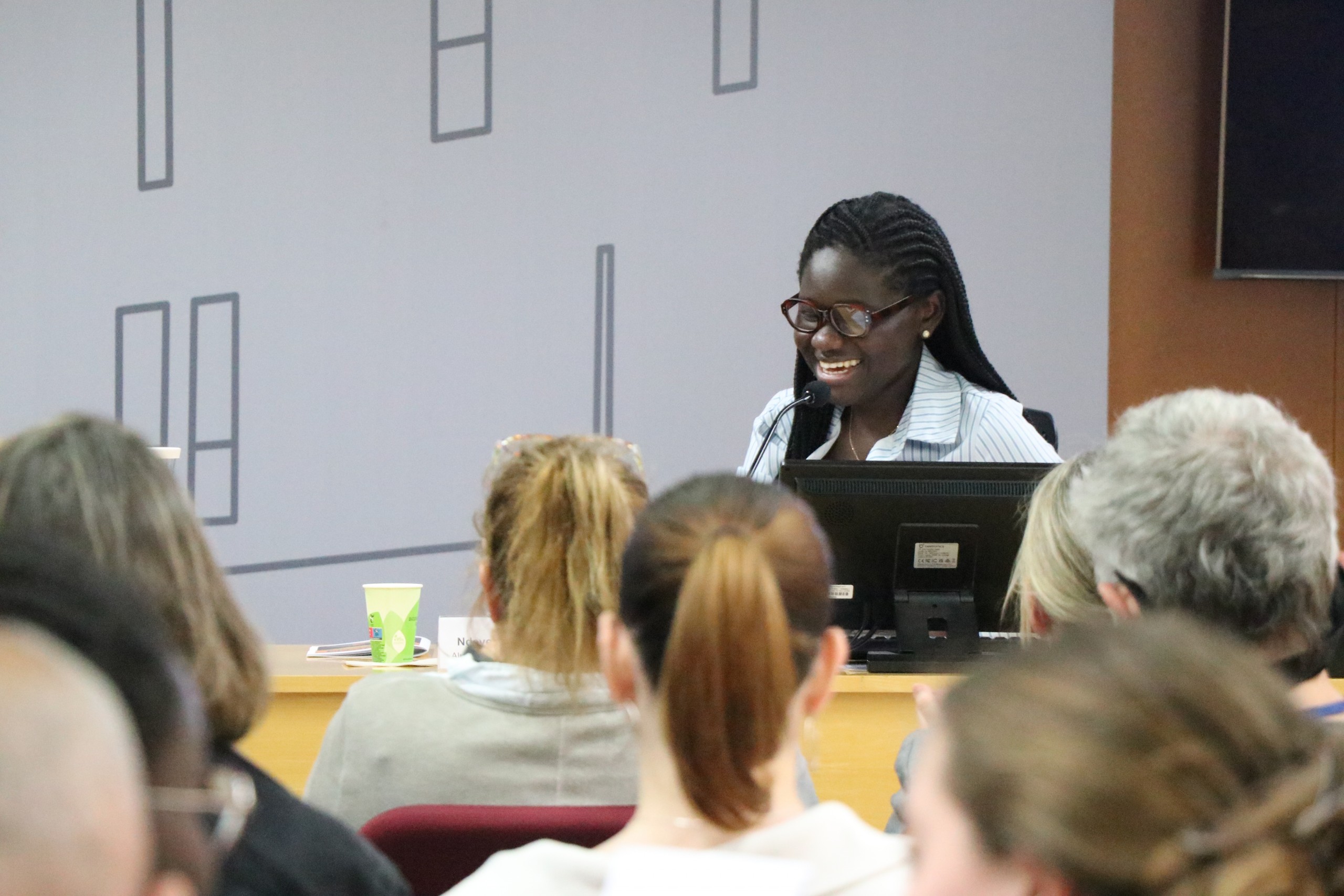
“It is an initiative that truly transforms society”
Ndaye Rokhaya, who explained her project on the regulation of unaccompanied minors during the last Social Projects Market. She is now clear, thanks to the Social Learning Programme, that she wants to continue working and advising on laws to make society fairer.
Therefore, the aim of the initiative is that when URV students carry out practical work experience or do their bachelor’s, master’s or doctoral degree theses, they base their studies on the real needs of the social organisations that collaborate with the programme. In this way, the student receives training and the organisation is able to implement projects that have a social benefit. This was the case with William Alomoto and La Muralla, for example, who immediately came to an agreement and started working together. The doctoral student carried out more than a hundred surveys and interviews, analysed the organisation’s activities on the ground and assigned a monetary value to its social benefits using the Social Return on Investment (SROI) methodology, and he determined that for every euro invested, the Catalan Government is saving ten euros. “The people who attend the club lead healthier lives because they do sport and other activities, so they go to the doctor less often, have fewer relapses and take lower doses of medication. This reduces social security costs”, states William Alomoto, who graduated in Economics in his home country of Ecuador and who, in addition to his doctoral thesis, has taken a Master’s Degree in Entrepreneurship and Innovation at the URV.
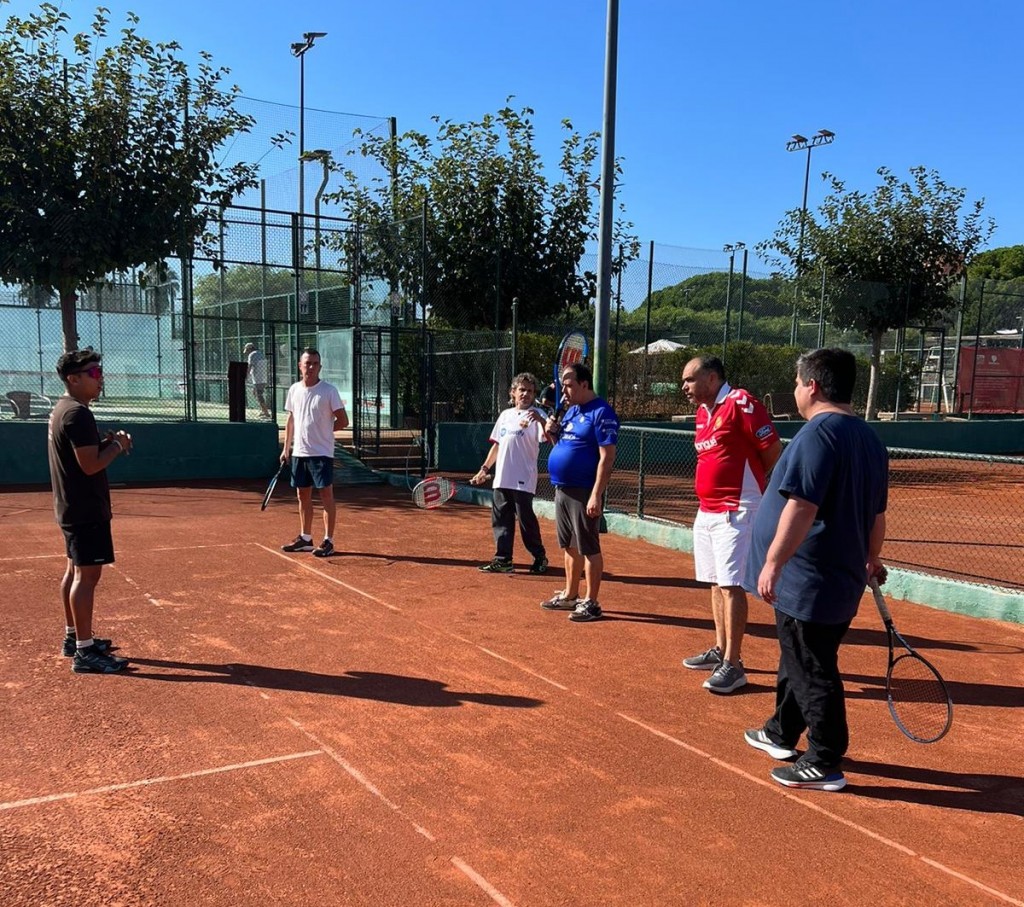
The Club Social la Muralla is delighted with Alomoto’s work, and the results of his thesis, published in the Social Enterprise Journal, are very useful. Its coordinator, Paula Ulloa, explains that they have presented the report to the Catalan Government and to Salut Mental Catalunya (Mental Health Catalonia), the federation that brings together organisations in the sector, so that they can see for themselves that the money allocated to the club is not wasted, far from it. Ulloa admits that they often feel undervalued, and that translating their results into money, despite the effort involved, demonstrates their professionalism and validates their requests for more resources. La Muralla has been participating in the URV’s Service-Learning Programme for several years now (they have also digitalised a resource guide and carried out a market study on the possibility of opening another centre in the city) and there is no doubt that they will continue their collaboration. “We are very happy to be part of it, it is very useful to us”, concluded Ulloa.
William Alomoto has put a monetary value on the work of the Club Social la Muralla to highlight the value of their work and validate their requests for more resources
In 2012, the URV became the first university in Spain to offer the programme. Because of this, it has been running for years, so much so that many social organisations in the region are very familiar with it and routinely send proposals to the URV’s Office for Equality and Social Engagement (OESE), which is the unit responsible for managing the programme. After checking that the organisation meets the programme’s requirements (that it is non-profit-making, that there is no unfair competition, etc.) and that the project fits in academically with the URV’s courses, the OESE includes it in the Digital Catalogue of SLP Projects, of which there are around a hundred each year available for students and teaching staff to consult. The one for the academic year 2025/26 has been available for weeks now. Often, however, the University itself contacts organisations that potentially fit in with the initiative, thus increasing the range and variety of opportunities on offer.
In addition to compiling the catalogue, the OESE holds the Social Projects Market every spring to encourage direct contact between all the parties involved. The organisations present their needs in the form of projects, the teaching staff can see which ones can be integrated into the students’ practical subjects for their degrees and the students discover what kind of projects they are most interested in. In addition, students and organisations that have already taken part in the programme are on hand to describe their experiences.
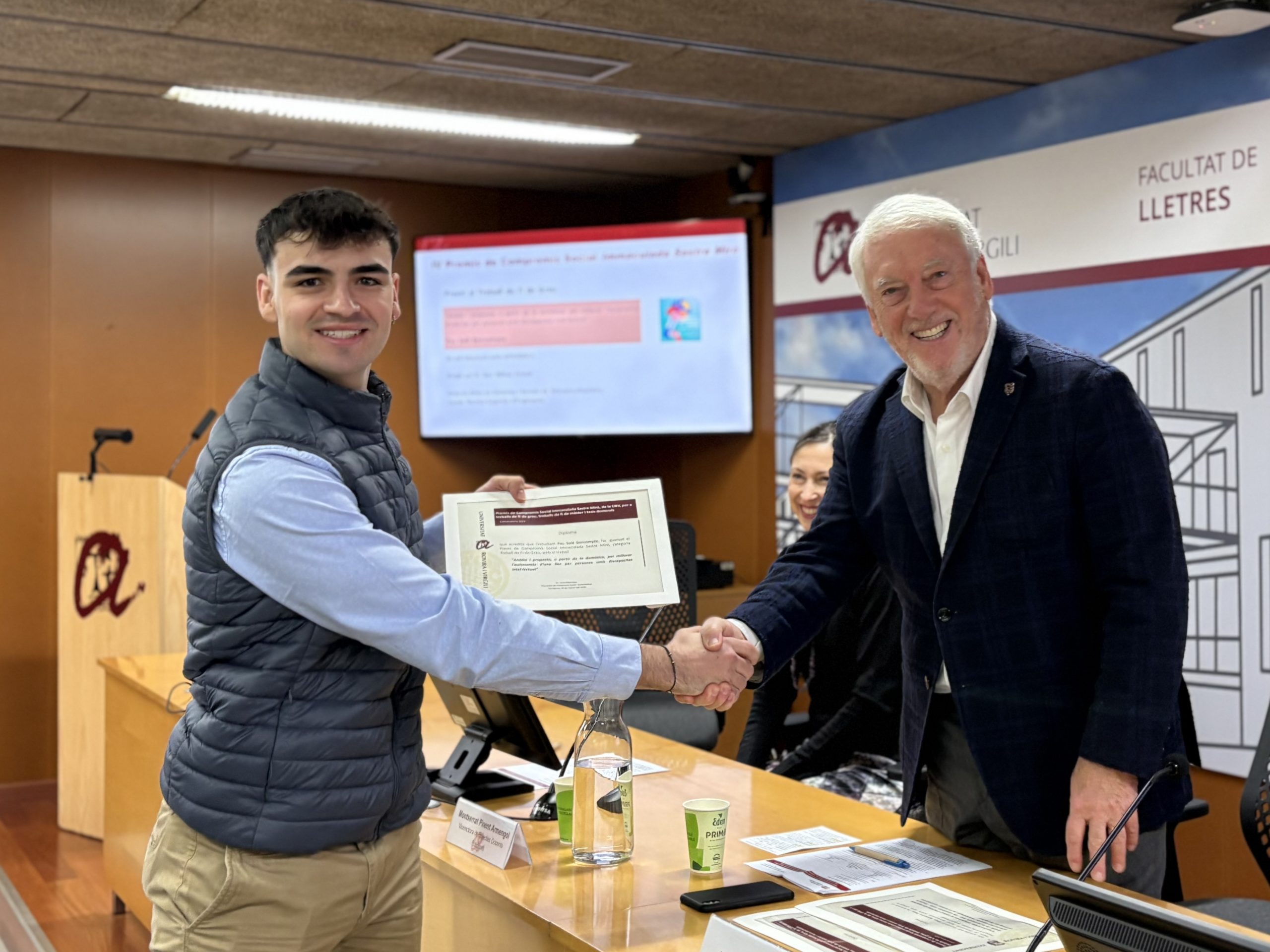
An award-winning project
Pau Solé Boncompte‘s home automation project in a sheltered home run by Aprodisca recently won him one of the URV’s Immaculada Sastre Miró Social Engagement Awards.
Two years ago, Ndaye Rokhaya went to the market, but she didn’t find what she was looking for. A student on the Double Degree in Law and Labour Relations and Employment, she was interested in working on the regularisation of the status of unaccompanied foreign minors for her bachelor’s thesis for the coming academic year. “I went along to find out about the SLP and to understand the needs of the organisations and their projects. It was useful and interesting, but there was no one working specifically on my subject”, explains Ndaye. However, this was not a problem for the Service-Learning area, which, when it heard of the student’s needs, contacted two Residential Centres for Educational Action (CRAE), which take in and assist these minors, and found that they were looking for legal advice.
Once again, things began to fall into place and Ndaye Rokhaya began to work on her bachelor’s thesis whilst helping the CRAE la Pastoreta and the CRAE Codina in Reus, who wanted to know exactly what their role was in the process of regularising the situation of unaccompanied minors. “They are very clear about their practical social function, that of helping boys and girls with everything they need in the transition to adult life, but not so much about the legal context”, admits Rokhaya, who immediately realised that the law is complex, dense and difficult to interpret. Despite this, her research showed her how the CRAEs play a key role in the process of regularising the status of unaccompanied minors, and she was thus able to define what procedures they need to carry out and under what circumstances they need to contact the Catalan Government and the General Directorate for Infant and Adolescent Care so that they can complete the process. “Clarifying these things also highlighted the fact that the CRAEs do not have sufficient resources to carry out these tasks,” she says.
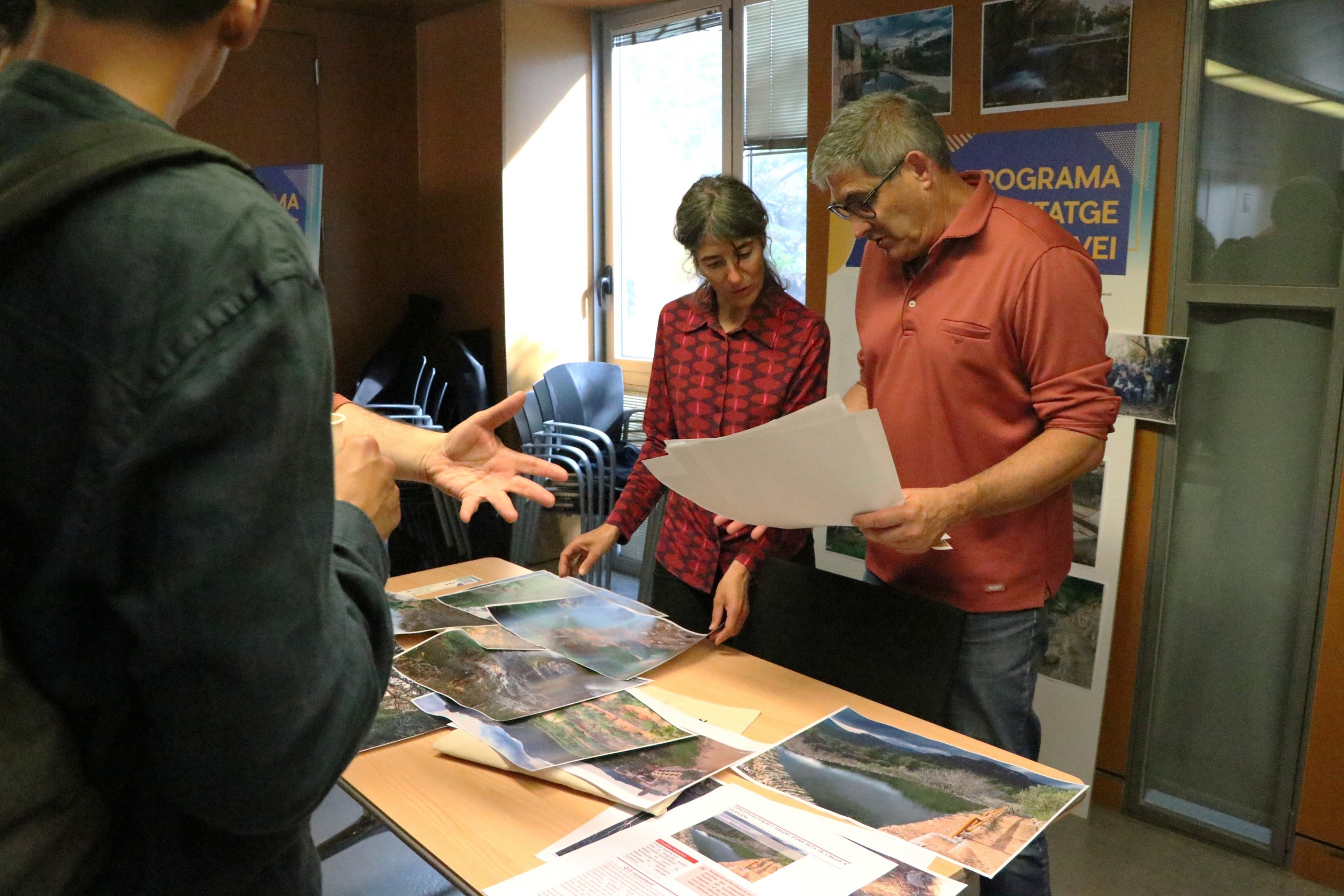
In any case, the CRAEs now have a detailed and ordered guide of the steps they need to follow, while Ndaye Rokhaya has a clearer idea, after this experience, of where her professional future lies. To begin with, she will also use SLP when she prepares her thesis for her Master’s Degree in Law and Procurement next year. “I love to know that my work has a real impact,” she says. And, beyond that, the internship has shown her that there is a lot of work to be done in providing legal advice to social organisations, immigrant populations and so on. Driven by her passion for private international law, she is keen to continue researching the law in order to help transform society and make it fairer.
Subjects with a social function
In addition to end-of-degree theses, there are other subjects with internships that are also carried out through the SLP. This is the case with the subject “Social Work and Functional Diversity”, on the Bachelor’s Degree in Social Work. As its coordinator, Neus Cárdenas, says, the subject fits in perfectly with the philosophy of the programme, which is why they have been working hand-in-hand with it for several years now. This year, for example, they have collaborated with the Institut Narcís Oller in Valls to provide a specific training itinerary for students with intellectual disabilities, and with the ECOM Foundation, which helps people with physical disabilities to find employment. The students on the course have drawn up a report for the two organisations so they can use to try to convince local companies and organisations of the value of hiring people with functional diversity.
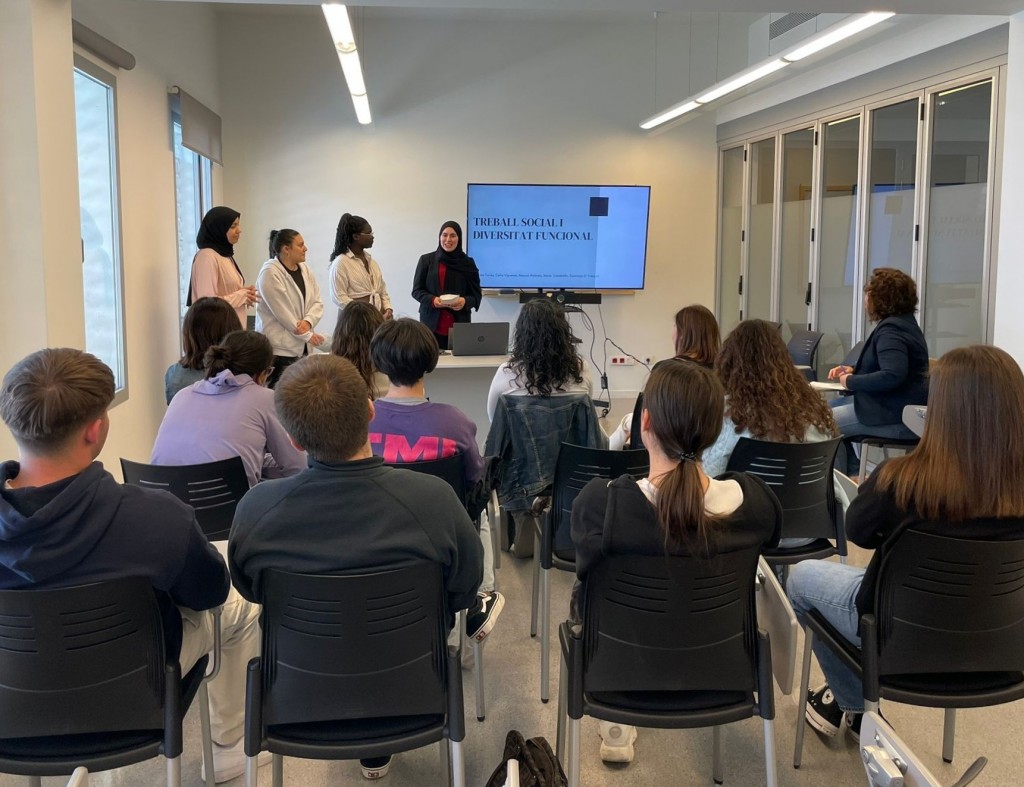
“We appeal to the companies’ sense of corporate social responsibility and we highlight how advantageous these contracts are for them and for the skills of these future workers,” says Neus Cárdenas, who explains that “as a final exercise, the students present the report to the companies, which this year have been Decathlon and the Federation of Hotel and Tourism Businesses of Tarragona (FEHT). “It works very well as there are a number of leading companies and associations that have received these reports, such as the AEQT and PIMEC. As a faculty, we look for possible companies and coordinate with the organisations. It is a lot of work, but it is very rewarding,” says Neus Cárdenas, according to whom the URV, through the SLP, acts as a bridge between the organisations and their users, and the world of work. “The process also creates a network, with lots of contacts exchanged, and it helps to break down barriers and prejudices and transform perspectives,” she adds.
Also part of the “Communication Skills” programme is a subject shared by various bachelor’s degree courses at the Faculty of Educational Sciences and Psychology, including the Bachelor’s Degree in Social Education. A group of students were commissioned to help the Group for the Study and Protection of Catalan Ecosystems to publicise their actions to protect the Iberian ribbed newt. This led to the students producing a series of informative pieces highlighting the value of the environmental organisation’s work and transmitting it to society.
One of the characteristics of the URV’s SLP, which makes it unique and a leader in its field, is its interdisciplinary nature. Since the beginning it has covered all areas of knowledge and this characteristic, and the fact that the programme has been running for years, have generated some significant statistics. To date, the programme has been responsible for over a thousand projects involving more than 6,000 students and more than 500 organisations. For this reason, many other universities that have adopted this methodology have followed the lead of the URV, and the officer responsible for the programme, Avril Lombardi, has given a number of specific and general training courses throughout Spain and the rest of Europe. The URV is also a pioneer in holding the Social Projects Market, which reflects the interdisciplinary nature of the initiative, and in creating such an extensive and comprehensive catalogue of projects.
More than 500 organisations
Active since 2012 and well-established, more than 500 social organisations have passed through the Service-Learning Programme, which has so far been responsible for more than 6,000 students and a thousand projects.
It is not surprising, therefore, that when Pau Solé Boncompte was looking for ideas on which to base the thesis of his Bachelor’s Degree in Telecommunications Systems and Services Engineering, he immediately found the ideal project. Interested in home automation, he found out about the SLP from his professors and, when he consulted the catalogue, he discovered Aprodisca, an organisation that manages supervised flats and works for the social integration of people with intellectual disabilities. Aprodisca needed technological solutions to help increase the independence of the people it cares for. Thus, Pau Solé drew up a full proposal involving seven applications, some of which he put into practice, including sensors to monitor whether users go to the toilet or to the fridge at night, thus helping to prevent any unwanted incidents; emergency switches connected to the carers’ mobiles in case users with mobility problems have to get up or have a fall during the night; a visual mobile application to remind users which clothes they should wear depending on the weather, and even a system to change the colour of the lighting to influence the emotional state of the users.
“It is very gratifying when your work doesn’t remain just sitting on a desk but instead is of great help to people who need it “, says Pau Solé
“The applications are simple but very functional”, states Solé. “And cheap”, adds Lídia Campàs, who as head of Aprodisca is aware of the need for non-profit organisations to keep tight control over costs. Campàs explains that the applications are of great use to them and that not only have they them installed in the Selva del Camp flat where Pau Solé carried out the initial work, but also in the flat they manage in Montblanc. This is Aprodisca’s first experience with the SLP programme (they learnt about it through the mental health services network), but, given the positive outcome, it will not be the last. In fact, this year they have worked with a Pedagogy student on a project on accessibility and orientation.
“It has been a great professional and personal experience. It is very gratifying when your work doesn’t remain just sitting on a desk but instead is of great help to people who need it”, says Pau Solé. The impact of the projects on society, and the fact that the whole process, from start to finish, is real is, according to Ndaye Rokhaya, very enriching and means that they leave university “much better prepared”. She goes on to say that the benefits for students and, above all, for the organisations make the SLP “a programme that truly transforms society”. A programme, unless William Alomoto says otherwise, that is priceless.