The Scientific and Technical Resources Service offers the research staff of the URV and local companies highly specialised technological equipment and useful advice to assist them in their research
Miguel Bernús, a researcher in the URV’s Department of Analytical Chemistry and Organic Chemistry, works on developing chemical methodologies to discover new active ingredients for drugs. He often uses the Scientific and Technical Resources Service (SRCiT) because he needs to identify the molecules that he generates in his chemical syntheses, and he finds that the equipment and techniques provided by the service are key to completing his research, which is part of the SINTCARB (Stereoselective Organic Synthesis Carbohydrate Chemistry) research group. The Nuclear Magnetic Resonance (NMR) section is essential for determining the structure of the substances he develops and allows him to interpret how his reactions evolve and confirm the nature of the products obtained: “There are two spectrometers that help us identify which molecules are in our mixtures. The sample is irradiated, the apparatus receives and processes the signal and gives us information in the form of spectra, which we can interpret with our chemical knowledge and deduce which transformations have occurred in our chemical reactions,” explains Miguel Bernús.
Spectrometry is a technique that enables the study of molecular structures at an extraordinary level of detail. Put simply, it is a tool that shows how molecules are built, atom by atom. However, this means that the equipment required to carry out spectrometry is too expensive for researchers to be able to afford it (like all the other equipment held at the SRCiT. “Having all these instruments in a centralised service means that all researchers can access all the different techniques,” Bernús says.
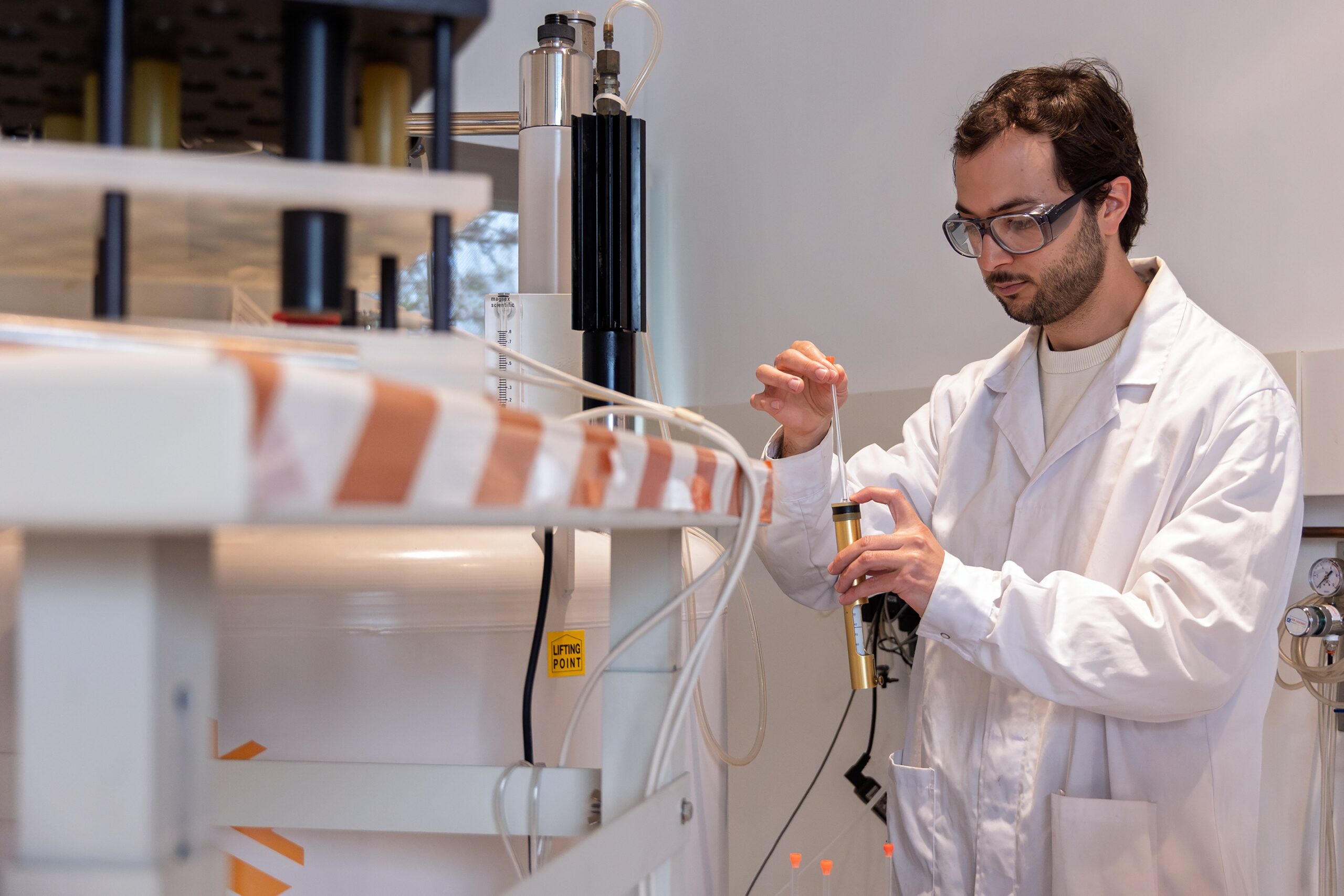
The Scientific and Technical Resources Service is located on the Sescelades campus and offers specialised technological equipment and advice from its technicians (around twenty in total) to URV research staff and to local companies. In this way, the research community has access to comprehensive support, right from when they come up with a new research idea, through the selection of the most appropriate techniques, to the interpretation of results. Its main services include, for example, the design and machining of prototypes, the manufacture of nanocomponents, the study of the morphology of materials on the micro- and nanometre scales, the identification of the molecular structure of organic compounds, chemical analyses, etc. The full catalogue of SRCiT resources can be found on its website.
“Having all these instruments in a centralised service means that all researchers can access all the techniques,” says Miguel Bernús
“We provide access to technologies that research groups cannot afford due to their scale. They are very complex but nevertheless essential technologies for the researchers’ work,” says Martí Yebras, head of the SRCiT, which continually strives to keep itself up to date and has a long history, having been created as a delegation of the University of Barcelona, before the URV itself was founded.
According to Yebras, having the right technologies, being able to use them without travelling and without queues and obtaining results immediately is key to the research carried out at the University. “Thus, the whole research cycle is much faster, from asking the original question to designing the test to make the measurements, obtaining the answer and re-evaluating the hypothesis,” says Yebras, who points out that it is not only researchers in chemistry and engineering that use the service: “Obviously, they are the ones who use the service the most, but we also have people come from most of the other departments and from between 50 and 60 research groups, and from fields such as medicine, psychology, archaeology, art history and even architecture.”
The latest acquisitions
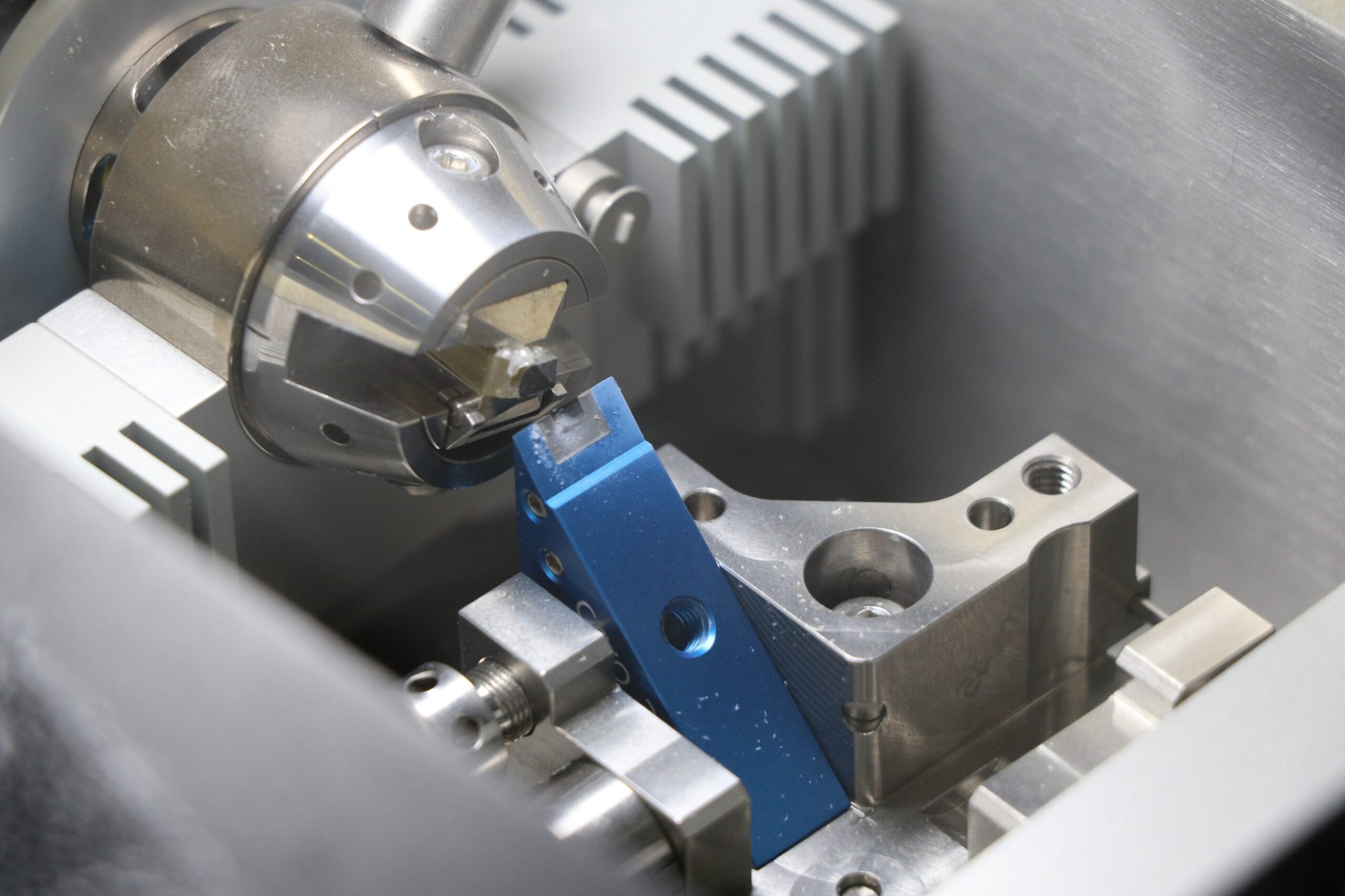
The latest instrument acquired by the Scientific and Technical Resources Service of URV is the UC Enuity Cryo-ultramicrotome (pictured), co-financed by the Tarragona Provincial Council, which is used to cut frozen samples at the nanometre scale. This increases the service’s analytical capacity, optimises sample preparation time and offers researchers an essential instrument for advanced studies in cell biology, materials science and nanotechnology. In 2024, the service acquired the ProvenX-NAP instrument, the only X-ray photoelectron spectrometer in Catalonia, which determines the surface composition of materials such as catalysts, fibres, gas sensors and electronic devices. With a grantable expenditure of almost 1 million euros, it was acquired thanks to the support of the Ministry of Science, Education and Universities and the European Union through the NextGeneration EU funds and within the framework of the State Plan for Scientific Research.
In 2023, the SRCiT acquired its atomic-resolution transmission electron microscope (HRTEM), a piece of state-of-the-art equipment that meets the growing and necessary demand for characterising the structure and properties of different materials in the fields of nanoscience and nanotechnology, and which complemented the high-resolution scanning electron microscope (FESEM-FIB), acquired a few months earlier. The HRTEM had a cost of 1.3 million euros, co-financed 50% by the Regional Development Fund of the European Union under the framework of the FEDER Operational Programme for Catalonia 2014-2020, and with the support of the Department of Research and Universities.
Another regular user of the service is Fatima Annanouch, a Ramón y Cajal researcher in the MINOS research group (Microsystems and Nanotechnologies for Chemical Analysis) of the Department of Electrical, Electronic and Automatic Engineering. She studies atomic layers of TMD materials for application in gas sensors. To characterise these nanomaterials, she regularly uses equipment such as the high-resolution field-emission scanning electron microscope (FESEM-FIB), the high-resolution transmission electron microscope (HRTEM) and X-ray photoelectron spectroscopy (XPS). These state-of-the-art instruments enable researchers to observe the morphology, crystal structure and composition of materials with a level of detail that would be impossible to achieve without the support of the service.
“When we apply for grants to help with the cost of new equipment (usually up to about 40%), we put out a call to research groups to see what their needs are, and on the basis of that we draw up a list of the machines that we are interested in. The users who are requesting the machine are the ones who decide which uses and functions it must have. However, once the machine arrives, it’s not just them who use it, as the number of users for each machine increases,” explained Martí Yebras, who adds that at other universities it is common for important machines to be reserved for the sole use of a renowned researcher, meaning that their utility drops significantly when the researcher is not using it. “By contrast, we keep all the equipment here because that way we can be sure that it will be useful in a general and permanent way,” reiterated the head of the service, who also pointed out that, as the equipment is partly subsidised, they cannot engage in unfair competition or distort the market with low prices.
Although other institutions have similar equipment, they do not have the technicians necessary to advise the researchers, said Fatima Annanouch, who is grateful that at the URV such specialists are on hand to help them interpret their results or decide which technique is most appropriate depending on their needs, and that the entire research process can be carried out without leaving the campus. Often accompanied by doctoral students, she uses the service almost weekly to analyse materials before moving on to the application of the sensors.
The FESEM-FIB and the HRTEM used by Fatima Annanouch are important pieces of equipment from the Microscopy and Nanometric Techniques area, one of the SRCiT’s two main areas, which is coordinated by Mercè Moncusí and which brings together different microscopes that can, she explains, “characterise samples using different techniques, all of which are complementary, so that different particularities can be seen in each microscope”. In other words, they reveal the nature of matter, how is it organised and configured.
Her area has six technicians from different backgrounds (physics, biochemistry, engineering, biology) who provide a wealth of knowledge and multidisciplinary advice and make sure that the equipment functions properly. As she points out, “the equipment doesn’t run by itself; a great deal of time goes into ensuring everything works and that the apparatus is properly calibrated.”
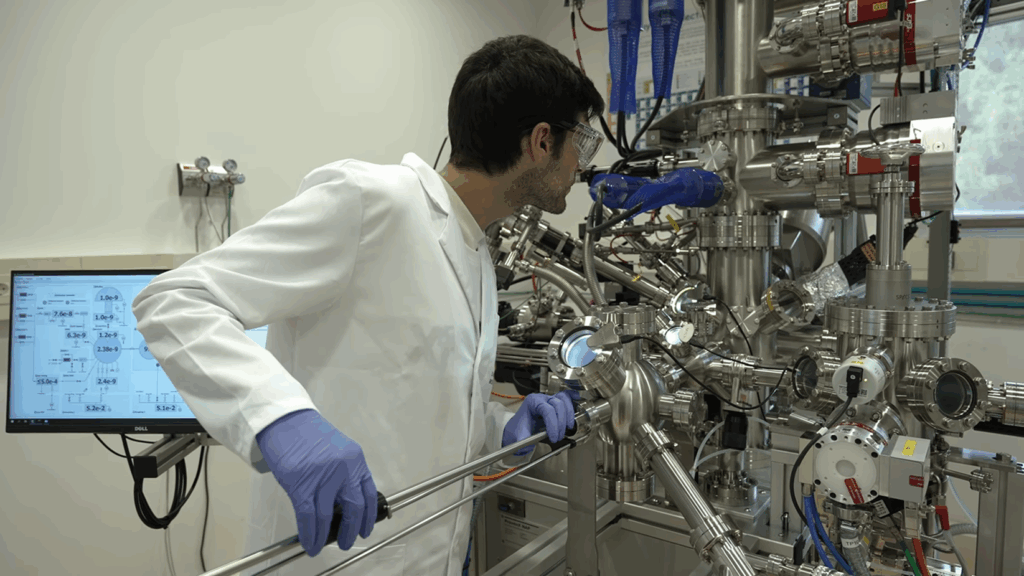
The other area is Sustainable Chemistry and Renewable Energies and is coordinated by Ramon Guerrero. It is responsible for the structural and chemical analysis of samples, that is, “what and how much of an organic or inorganic component is present in a material”. For example, the XPS used by Fatima Annanouch analyses what happens on the surface of a sample, and the spectrometers employed by Miguel Bernús determine how molecules are structured.
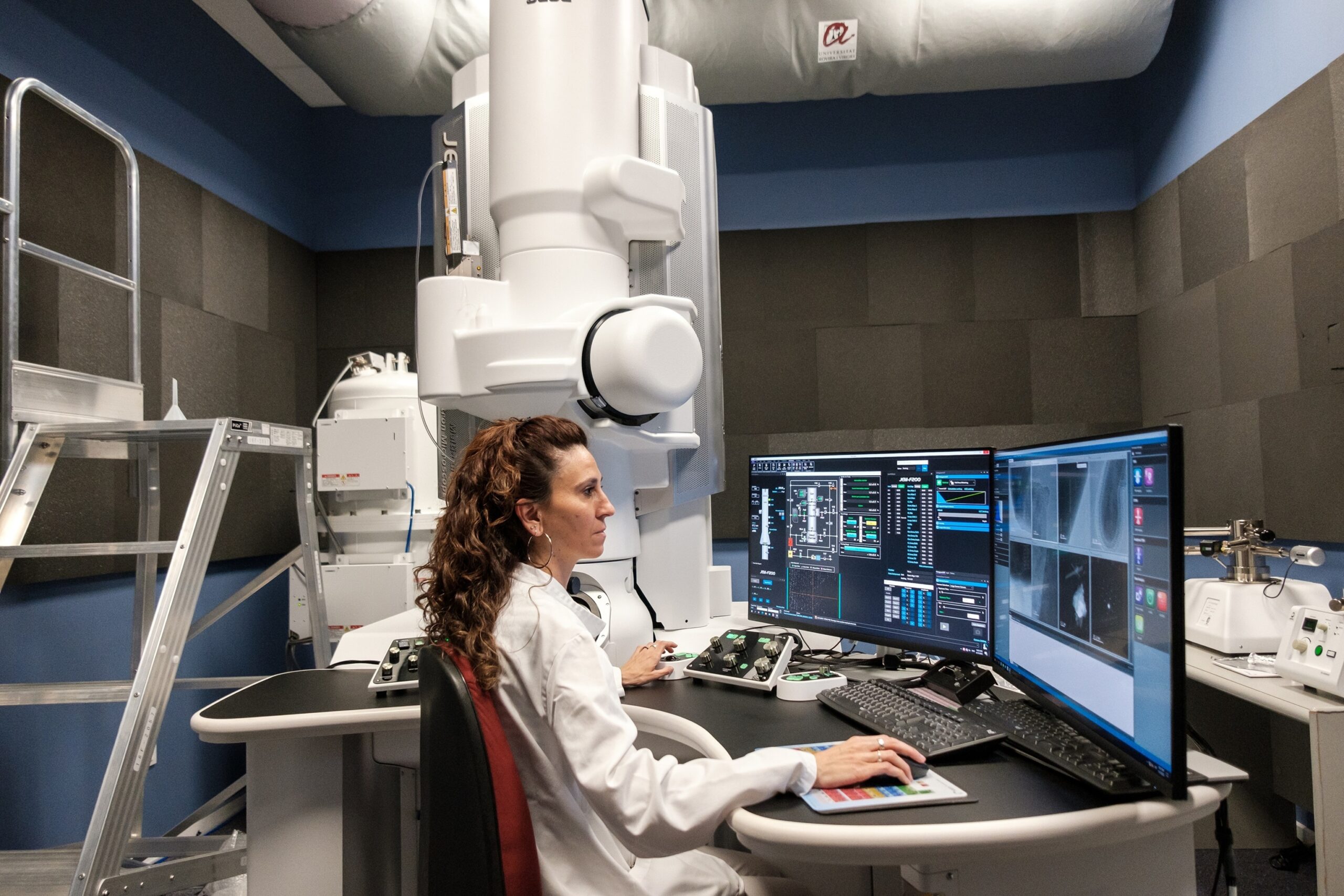
As far as the complexity of the techniques allows, the most regular users are taught to be as autonomous as possible, thus freeing up the technicians for other tasks. For example, Rut Sisó, a doctoral student in the pHO2TO-GreenMat research group at the Department of Physical and Inorganic Chemistry, is highly proficient with HRTEM. Her research focuses on the sustainable synthesis and characterisation of carbon quantum dots for use as luminescent sensors. “In simpler terms, we manufacture quasi-spherical nanomaterials from biomass derivatives and study their characteristics to find those with the appropriate fluorescent properties so they can be used as non-invasive sensors for temperature, pH and other parameters in fields such as biomedicine or environmental bioremediation,” she explains.
A service to the region
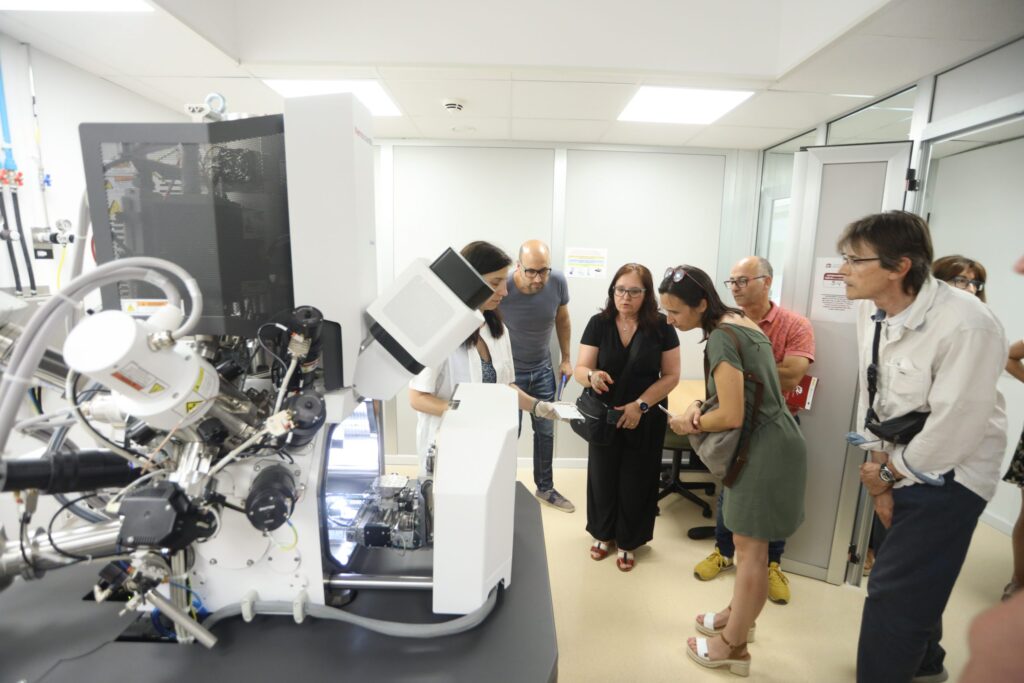
Researchers from URV make up approximately 80% of the SRCiT’s users. The remainder are local companies, mainly from the chemical sector, who take advantage of the proximity of facilities offering state-of-the-art techniques and equipment, and for whom it is more cost-effective to pay the service’s fees than to purchase the equipment themselves. The SRCiT has around 300 users each year and its annual turnover usually exceeds €400,000. The service’s technicians often provide training sessions for research staff and company representatives, especially when new equipment is acquired.
The SRCiT is useful to her in three fundamental ways: for studying the characteristics of the materials she synthesises, for monitoring manufacturing and purification processes, and for developing practical applications. And it is with regard to this first point that HRTEM comes into play as it is the only technique, she asserts, that allows her to check “visually and unequivocally” whether she has succeeded in obtaining the materials, while also studying their atomic composition. She also uses various spectrometers to assess the chemical composition of the quantum dots, and occasionally employs the liquid chromatography unit (HPLC) and nuclear magnetic resonance (NMR) unit to determine the molecular composition at different stages of the synthesis and, for the final stage of the process, uses a fluorescence microscope to study the luminescence of the materials.
Having all this equipment makes it possible to attract and retain talent, as having access to it is key for many researchers when deciding whether to stay at the URV or join it
Josep Maria Cantons, a researcher in the NEPHOS research group (nanoelectronic and photonic systems) of the Department of Electrical, Electronic and Automatic Engineering, also makes regular use of the service. He works on the design and fabrication of biosensors to detect biomarkers specific to a particular disease, based on a nanoporous material, alumina (aluminium oxide). Cantons carries out the morphological characterisation of this material with the FESEM-FIB and, thanks to the parameters he obtains, can determine values such as porosity. Furthermore, he uses HRTEM to characterise structures below ten nanometres, and equipment such as sputtering to apply metal coatings, in this case gold, to obtain, as he explains, a cleaner and amplified optical response. The target molecule is detected through the chemical characterisation carried out using infrared spectroscopy (FTIR), which is another technique available in the service.
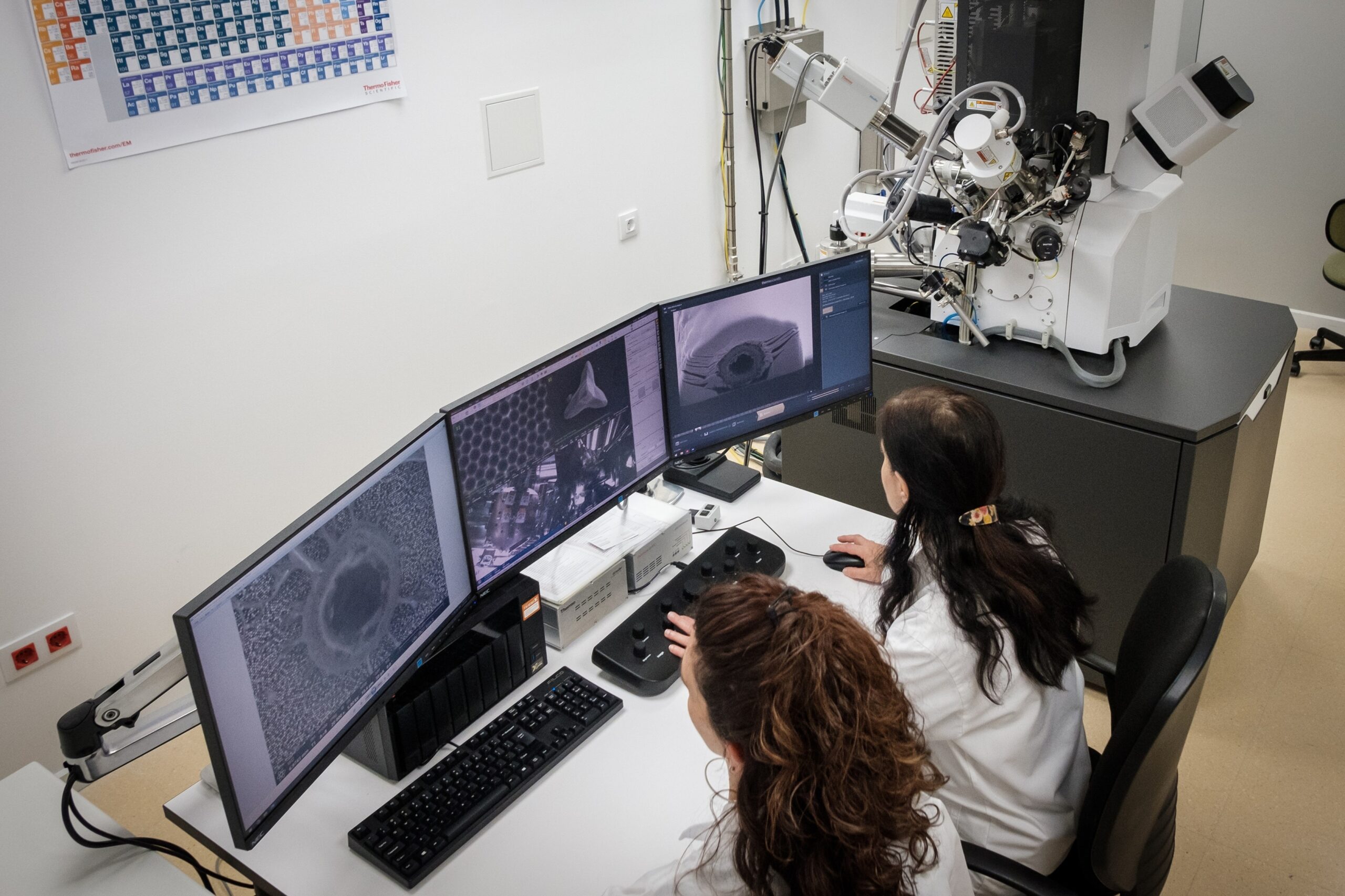
Both Rut Sisó and Josep Maria Cantons consider the Scientific and Technical Resources Service to be essential, as it allows researchers to characterise materials, monitor synthesis processes and confirm hypotheses which, without these resources, would be difficult or impossible to validate. “It’s essential to have access to all this advanced equipment and for the technicians to help us use it and interpret the results,” says Cantons. Rut Sisó considers the service important, especially for those, like herself, who work in the field of nanoscience. “Studying systems so small requires state-of-the-art, highly precise and very expensive equipment, which in turn generally needs highly specialised people who have mastered the practical and theoretical fundamentals of the technique,” explains Sisó, who believes that having a service that centralises all of these material and human resources makes their work much easier.
In fact, as Martí Yebras points out, having all this equipment allows the University to attract and retain talent, as having access to it is key for many researchers when deciding whether to stay at or join the URV. “For example, the Ramón y Cajal programme, which awards high-level postdoctoral contracts, as is the case with Fatima, can work here because we have the service,” says Yebras, and Ramon Guerrero recalls that having all this equipment means that URV researchers improve their positions in global rankings year after year. And just as important, if not more so: all the accumulated knowledge generated by this technical service, concerning the hardware and specialists in continuous training to stay up to date with the latest advances, is also a huge strategic asset that reinforces the research capacity of the URV and contributes decisively to its progress.