26/03/2026
Being male, more religious and more aggressive increases the likelihood of transphobia
A Universitat Rovira i Virgili study involving more than 300 adults from Tarragona, Barcelona and Lleida identifies religiosity and physical aggression as factors associated with higher levels of transphobia and attitudes of harassment towards trans people
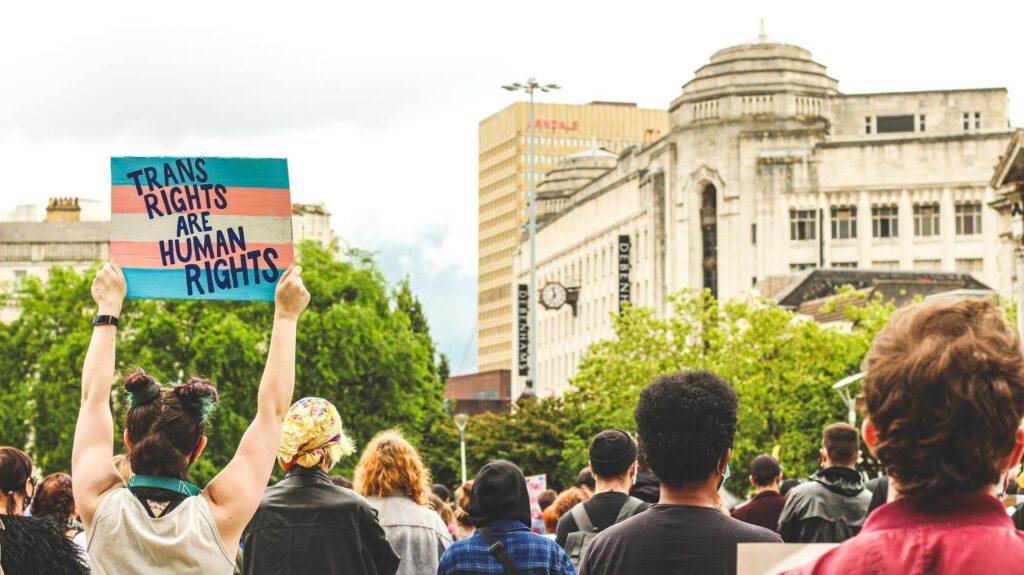
A Universitat Rovira i Virgili study involving more than 300 adults from Tarragona, Barcelona and Lleida identifies religiosity and physical aggression as factors associated with higher levels of transphobia and attitudes of harassment towards trans people
Attacks on trans people are not isolated incidents but rather the visible manifestation of a transphobia that is much more widespread than is often perceived. A new study by a research team from the Department of Psychology at the Universitat Rovira i Virgili (URV) has put the focus not on the victims of transphobia, but rather on those who discriminate and attack, and the aim of the study is clear: to better understand the origin of the hatred so that it can be prevented. According to the research, published in the journal Psychological Reports, being male and heterosexual are much higher indicators of transphobia than, for example, age and political ideology, despite the impression generated by some public debates. The results also point to two particularly decisive factors: religiosity and physical aggression.
This pioneering study is set against a worrying backdrop; despite some legal advances, LGBTIQ people continue to suffer a high level of violence and discrimination in Europe. A recent report by the European Union Agency for Fundamental Rights (2024) indicates that 64% of trans women and 63% of trans men have experienced hate-motivated violence, and that cases have increased since the previous report in 2019.
In Spain, following the sharp increase recorded in 2022, the most recent data from the Interior Ministry indicate that in 2023 there were 522 hate crimes motivated by sexual orientation and gender identity, making it the second most frequent motive for hate crimes in the country. Although there was an overall decrease in hate crimes in 2024, cases linked to LGTBI phobia continue to represent a very significant proportion of the total. Furthermore, Catalonia continues to be one of the regions in Spain where the most cases are recorded. The study’s authors also warn that the figures probably do not tell the full story as reporting these crimes remains a difficult process for many victims, especially for trans people, who often find that they have to expose themselves again to potentially hostile environments.
333 voices to draw the map of transphobia in Catalonia
To create a profile of the group that exhibits the most transphobic attitudes, the team collected data from 333 adults from Tarragona, Barcelona and Lleida, aged between 18 and 65, although more than three-quarters were between 18 and 26 years old. Of those surveyed, 69.1% identified as women, 25.5% as men and 5.4% as non-binary; 4.8% defined themselves as trans and almost all the rest as cis.
Regarding sexual orientation, 66.4% identified as heterosexual, 10.5% as gay or lesbian and 23.1% as bisexual, and the majority lived in urban areas (82%). In terms of ideology, the options “liberal” and “socialist” predominated, with a significant proportion of people classifying themselves in “other” categories.
All of them completed an online battery of questionnaires that measured the participants’ degree of transphobia and aggression towards those who do not conform to gender norms, and their decision-making style, level of religiosity, empathy and different forms of aggression (physical, verbal).
Men and heterosexuals show higher levels of transphobia
The data are clear: men exhibit significantly higher levels of both transphobia and aggression than women, with the difference in transphobic attitudes being particularly marked. They also score higher in physical and verbal aggression and lower in empathy, especially in the affective dimension, that is, the ability to share what the other person is feeling.
Sexual orientation also plays a part. According to the study, heterosexual people exhibit more transphobia than bisexual people, although there were no significant differences between different orientations in terms of the level of direct aggression. Age was not significantly related to transphobia, and showed only a minimal association with direct aggression, while political ideology presented differences without any conclusive patterns.
Increased religiosity, increased transphobia; more aggression, more assaults
Where the study does find clear patterns is in the combination of religiosity, aggression and empathy. People with higher religiosity, measured by the degree of belief, the frequency of worship and prayer, and the importance of God in one’s life, show significantly higher levels of transphobia and attitudes of harassment towards trans people or those with non-normative gender expressions. In the models used in this study, religiosity emerges as the strongest predictor of these attitudes.
Physical and verbal aggression also play a significant role. Higher scores in physical and verbal aggression are associated with greater transphobia, with physical violence being one of the variables that best predicts direct assaults. In fact, the most complete statistical model shows that transphobia and physical aggression account for nearly 28% of the variability in assaults against trans people, with transphobia as the main predictor.
Empathy acts in the opposite way: both cognitive empathy (understanding what the other person is feeling) and, above all, affective empathy (sharing that feeling) are associated with lower levels of transphobia and aggression. People who are less able to empathise with the suffering of others are, according to the study, more likely to adopt hostile attitudes towards trans people.
Key for policy and prevention
The study concludes that if transphobia and aggression against trans people are to be reduced, then the main focus should be on tackling those who demonstrate religiosity and aggression, although efforts should also be made to reinforce empathy. In terms of religiosity, the study states that it is important for faith groups to put forward explicit discourses against trans discrimination, given the strong association between religiosity and transphobic attitudes. “The results do not imply that religious faith generates transphobia, but they do point to the need for religious spaces to become explicitly committed to the dignity and inclusion of trans people,” explained Jorge Dueñas, a researcher at the URV’s Department of Psychology who has participated in the research. “Religion, like any social aspect, can help to reduce stigma if it promotes clear discourses against discrimination,” he added.
Regarding aggression, the authors emphasised the need for prevention strategies to include programmes to reduce violence, especially physical violence, and to promote anger management. Such programmes, combined with educational interventions that foster affective empathy, could reduce both the rejection of trans people and the likelihood that such rejection will lead to aggression.
Despite the study’s limitations (the sample was taken from only three Catalan cities and there and featured low participation from trans and non-binary participants), the research provides a detailed map of risk factors and offers specific recommendations for future public policy and awareness-raising campaigns.
Reference: Dueñas, J.-M., Sánchez-Valiente, D., & Morales-Vives, F. (2026). Exploring Attitudes Toward Transgender Individuals: The Prediction of Transphobia and Gender-Bashing in Adults. Psychological Reports, 0(0). https://doi.org/10.1177/00332941261423119
