06/02/2026
Iranian academic community at the URV,
“Voices from Iran”
Members of the URV's Iranian community describe the current situation in their country and the consequences for researchers and students working and studying at universities such as the URV
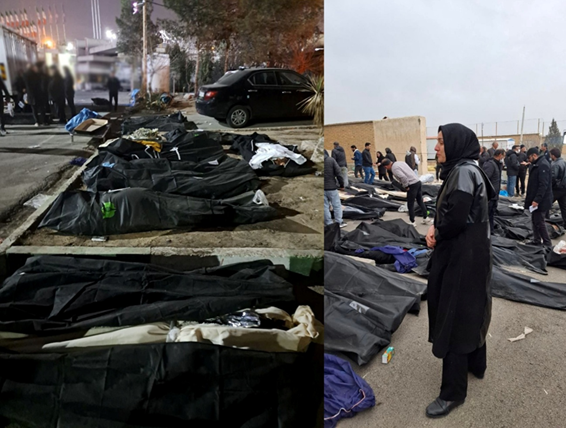
Members of the URV's Iranian community describe the current situation in their country and the consequences for researchers and students working and studying at universities such as the URV
The situation in Iran remains extremely critical. Widespread protests that began in late December 2025, triggered by economic collapse, soaring inflation, and the sharp devaluation of the national currency, rapidly escalated into violence and were met with an unprecedented crackdown by the authorities. Security forces have used live ammunition, leading to mass killings. This violence intensified particularly on January 8–9, 2026, coinciding with a nationwide internet shutdown that significantly limited access to information.
According to reports from various human rights organizations, the number of fatalities is alarmingly high and remains contested. Iranian authorities have officially reported approximately 3,117 deaths, including civilians, members of security forces, and individuals labeled as “terrorists.” In contrast, independent organizations such as the Human Rights Activists News Agency (HRANA) have verified more than 6,000 deaths, including thousands of protesters and dozens of children under the age of 18. Other estimates suggest that the true number may reach into the tens of thousands, particularly given the serious challenges to verification caused by communication restrictions and repression. Tragically, children have been among the victims, with credible reports confirming the killing of dozens of minors, including children as young as 12 to 14 years old, as well as the mass arrest of young people.
Another grave concern relates to violations of medical ethics. Some doctors and nurses who sought to fulfill their professional duty of saving lives have reportedly faced security pressure, arrest, prosecution, and other forms of intimidation. Medical personnel, alongside thousands of detained protesters—including vulnerable groups—are exposed to the risk of severe sentences and, in some cases, escalating threats of execution. Documented patterns indicate denial of access to freely chosen legal counsel and a lack of transparency in judicial proceedings, raising serious concerns about due process and fundamental rights.
These emergency conditions have had a profound impact on Iranian students and researchers abroad. For nearly two consecutive weeks, many of us had no news from our families and loved ones in Iran due to the shutdown of the internet and international communications, placing the country in a state close to complete digital blackout. Given the reports and information circulating at the time, this absence of contact caused extreme anxiety and psychological distress. Some members of our community have lost close relatives and are currently mourning. Additionally, a number of students depend on financial support from their families in Iran, and the current situation has made such support extremely difficult or impossible, creating serious challenges for their academic continuity.
We face a dual form of pressure. While our families inside Iran endure security threats, economic hardship, and communication blackouts, those of us outside the country encounter additional obstacles due to international sanctions. These include risks associated with travel to Iran, difficulties in opening bank accounts, obtaining or renewing visas, and fully participating in academic life. What is urgently needed is closer engagement with the Iranian academic community, a clear understanding of our specific circumstances, and the development of support mechanisms tailored to our situation.
Written by the Iranian academic community at the URV.
