26/09/2026
European Researchers’ Night turns Tarragona into a festival of science outreach
More than 4,000 people filled Plaça Corsini over two days to experience science across all its disciplines. Nearly 300 researchers ran around 50 science workshops
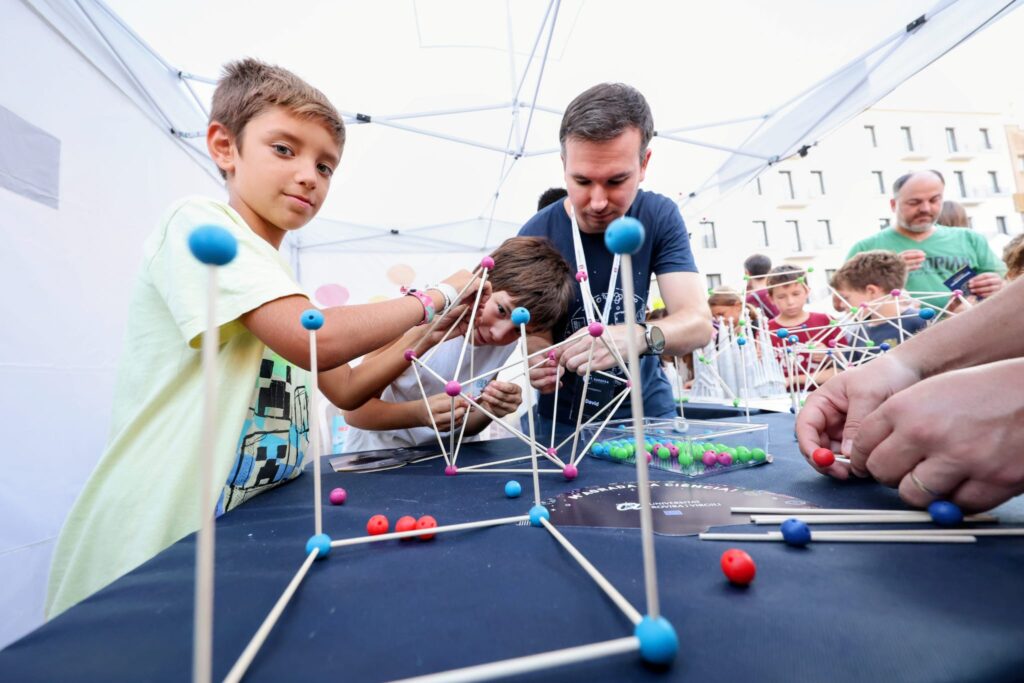
More than 4,000 people filled Plaça Corsini over two days to experience science across all its disciplines. Nearly 300 researchers ran around 50 science workshops
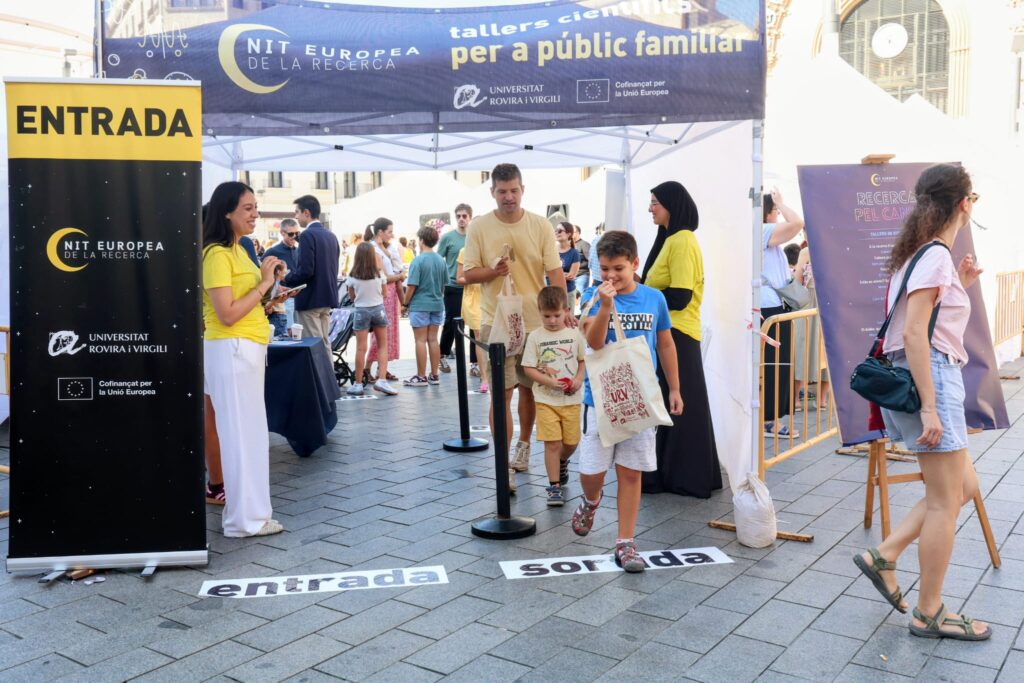
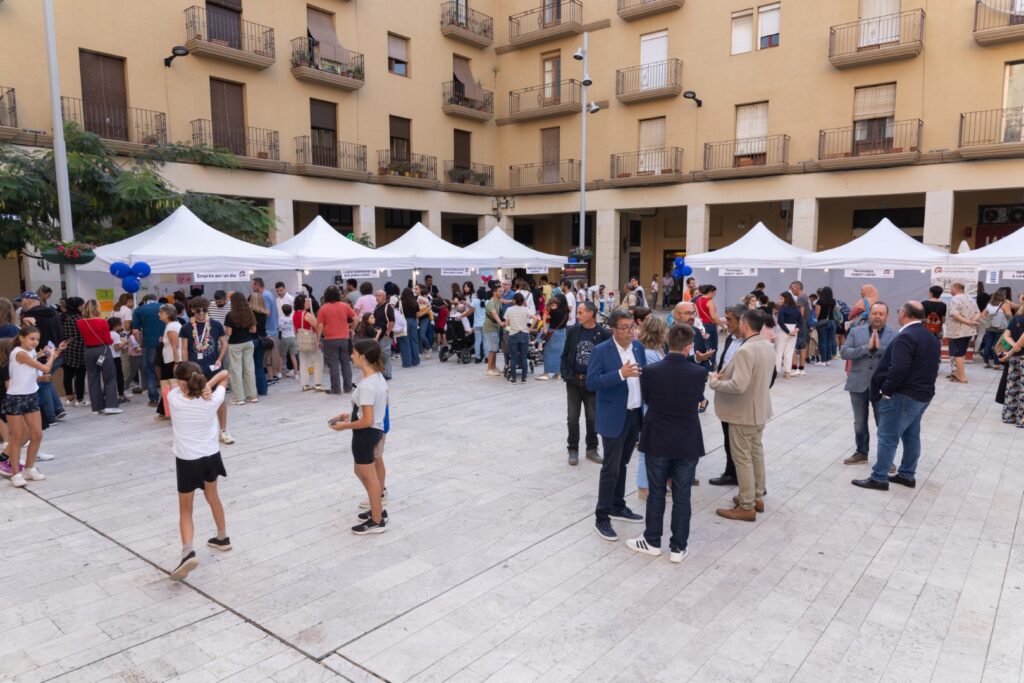
European Researchers’ Night has taken over from Tarragona’s Santa Tecla festival to host a celebration of a different kind: one dedicated to science outreach. Over two days, the event drew more than 4,000 people to Plaça Corsini, where nearly 300 researchers from the Universitat Rovira i Virgili (URV) and the region’s CERCA research centres ran around 50 science workshops. On Friday afternoon and Saturday morning, a steady stream of children, teenagers and adults passed through the square, taking the opportunity to get hands-on, experiment, observe, ask questions and chat with the researchers running the workshops. Now in its ninth year, the event is organised in Tarragona by the URV’s Science Communication Unit, ComCiència, and has become a firm fixture in the city’s calendar on the last weekend of September.
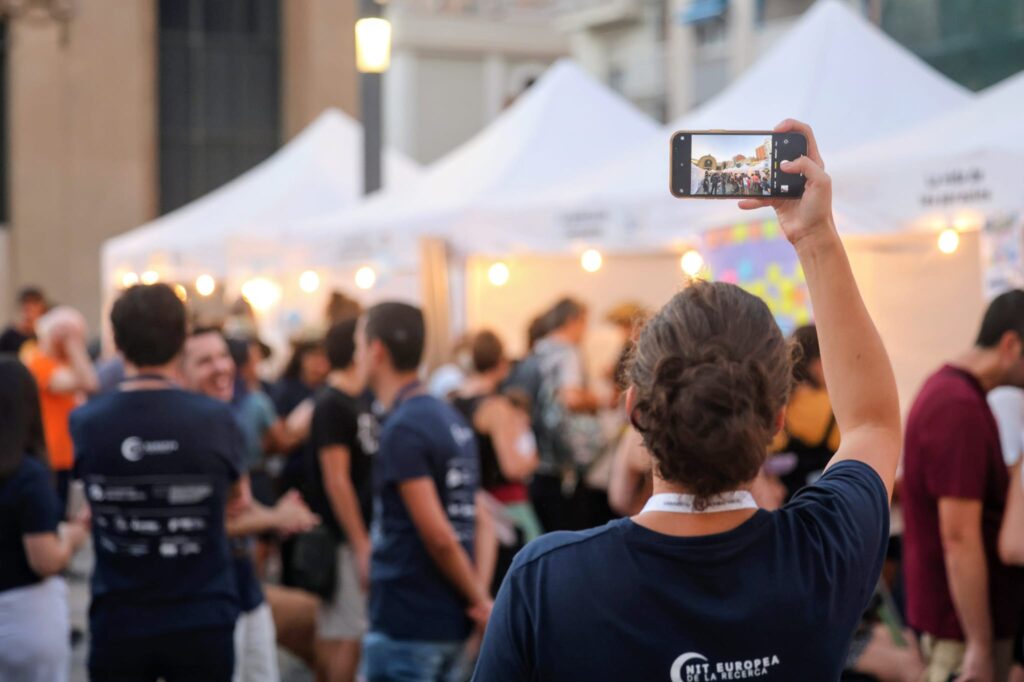
Upon arrival, visitors were given a science passport, which they could complete by taking part in different workshops. There, they met researchers keen to share their knowledge in a fun, hands-on way. Participants were invited to take on mathematical mini-experiments and puzzles, discover first-hand how tobacco, sugar and energy drinks affect the body, interact with robots and find out how an electronic nose sensor works. Other activities explored children’s rights, how language has evolved over time and how prejudices take shape.
Elsewhere in the square, visitors could travel through different organs of the body to see how microplastics affect them, discover how cinema has evolved over its lifetime through different devices, find out how the brain can be tricked, and learn about popular culture through giants, castells (human towers) and traditional dances. They could also put themselves in the shoes of someone living with a disability, an activity designed to foster empathy.
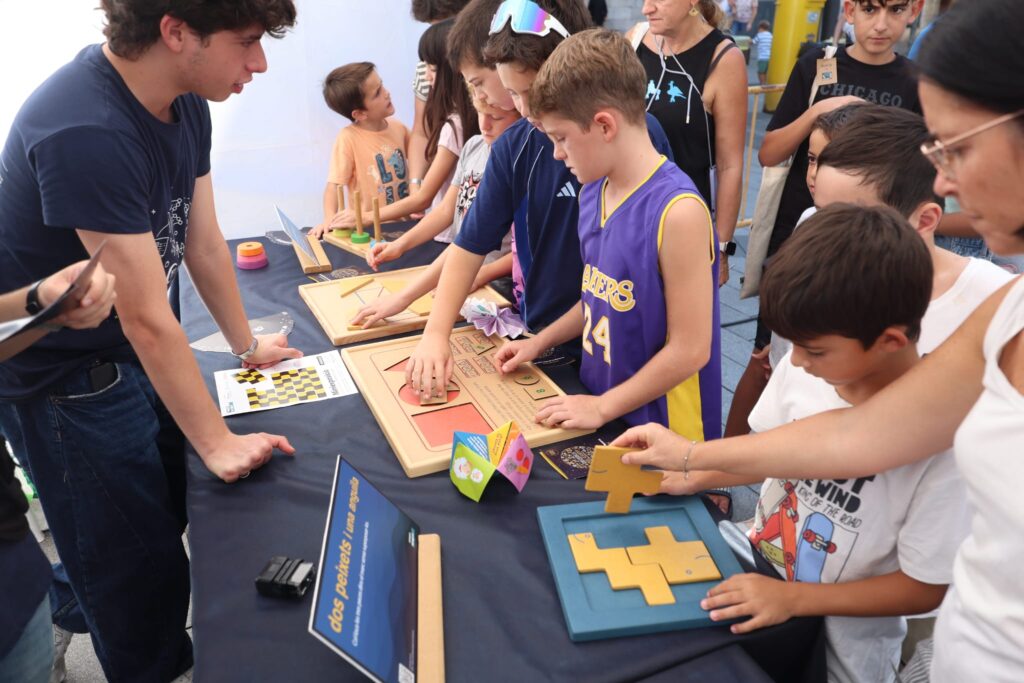
The workshops also gave visitors the chance to trace the evolution of writing from ancient Egypt to the present day, take a lie-detector test and judge whether it is really a useful tool, understand how new medicines are made, and learn about language by spotting how many non-standard loanwords have crept into everyday Catalan.
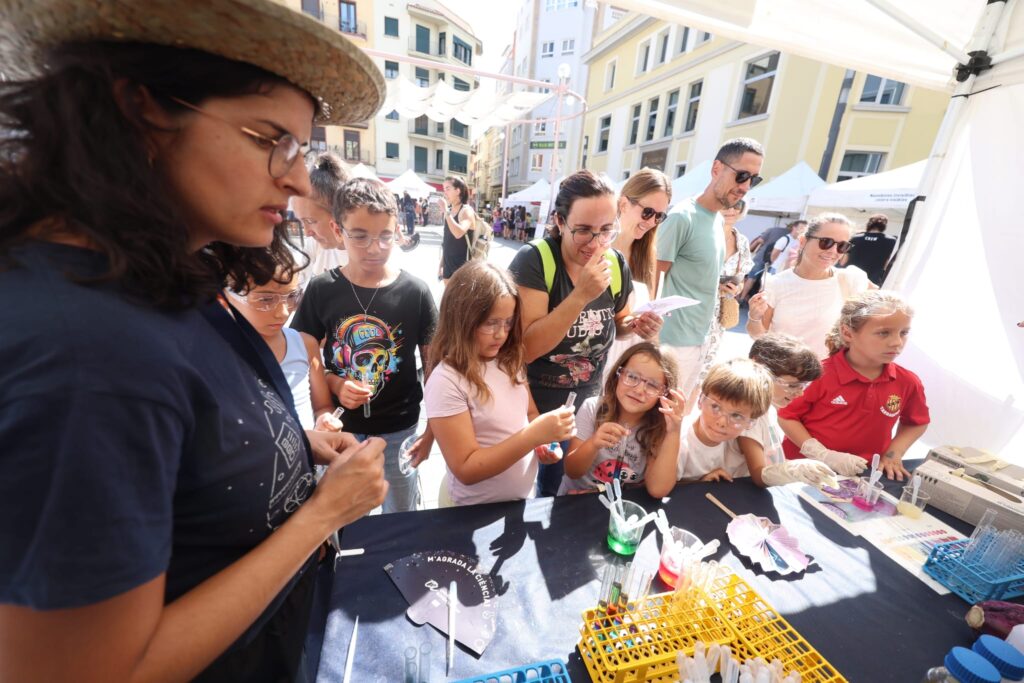
Over the two days, visitors could also find out how a school is run from the inside, how lifestyle habits affect male fertility and how robots work. They could try their hand at archaeology, learn more about waste management and the circular economy, and discover how algae help plants withstand extreme conditions.
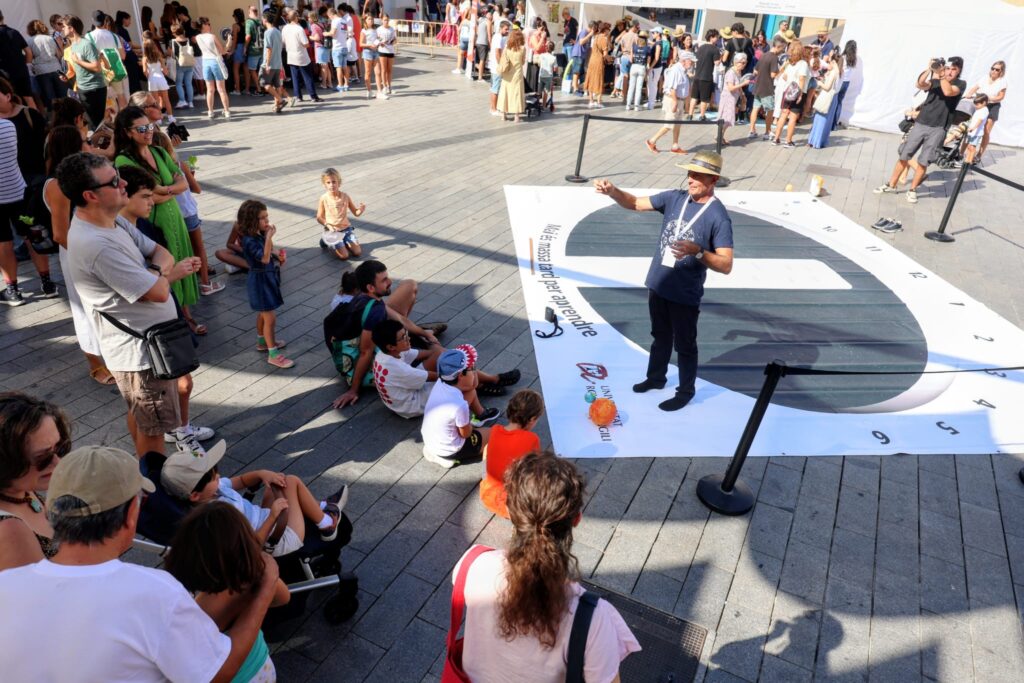
Once they had completed their passport, they were awarded a small gift. More importantly, though, they left with everything they had learned in the workshops and the experience of talking to researchers at the cutting edge of their fields.
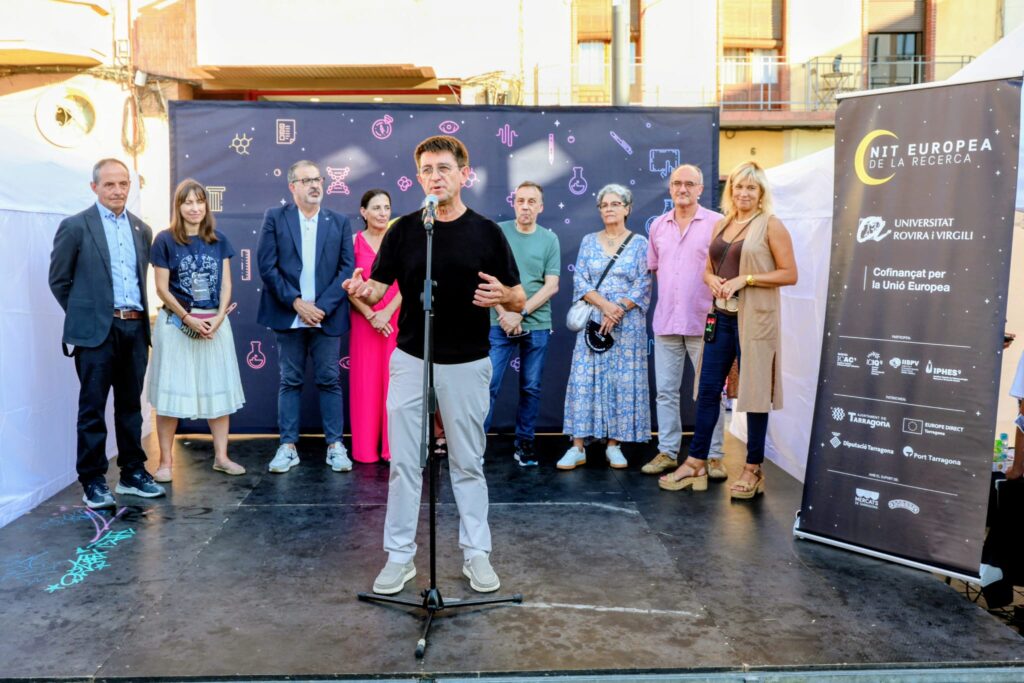
Activities across the region
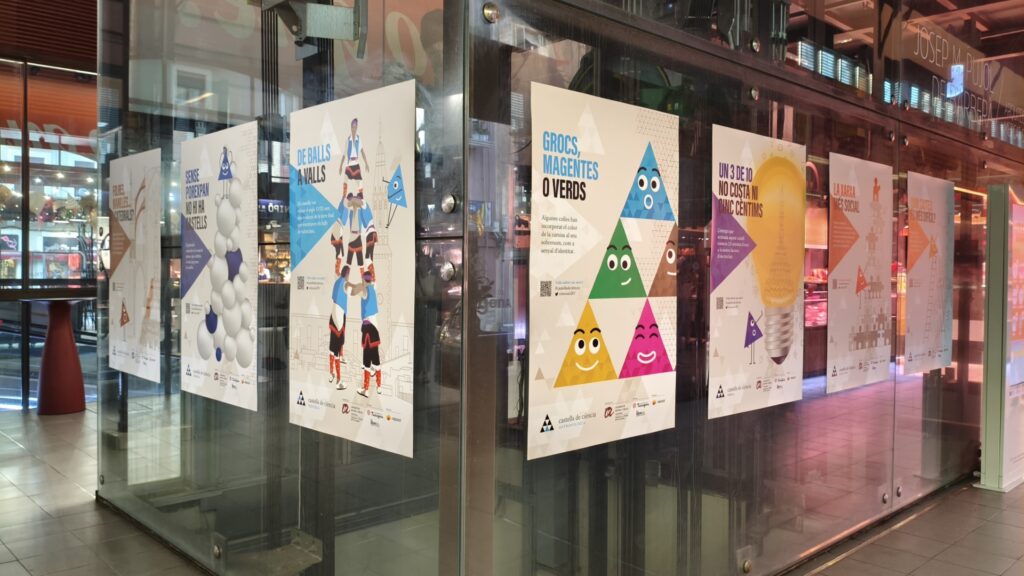
In addition to the main fair in Tarragona, the European Researchers’ Night programme included a number of earlier activities. One of them is an exhibition on castells and science, which is on at Tarragona’s Mercat Central (Central Market) until 13 October. The exhibition consists of 14 illustrated posters from the URV’s “Castells de ciència” (Towers of science) project. The posters explain the different scientific disciplines related to the world of castells: anthropology, physics and mathematics, as well as architecture, Catalan studies, sociology and psychology, among others.
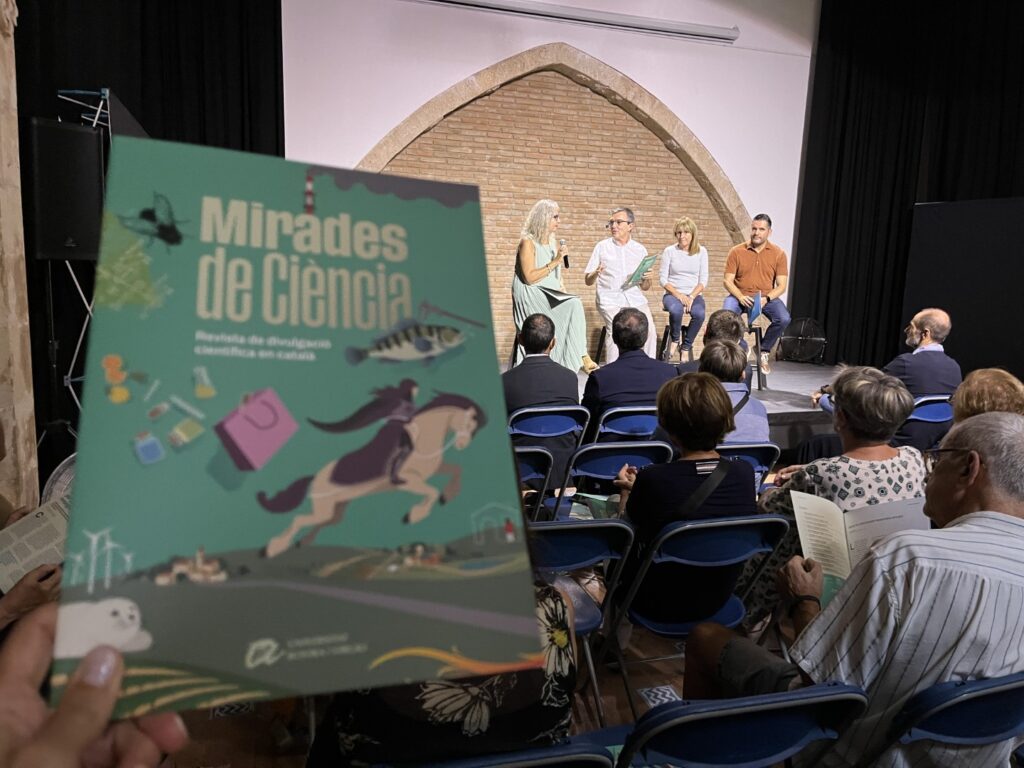
At the beginning of September, a panel session on the biochemistry of Santa Tecla was held at the Antic Ajuntament (Old Town Hall). On 16 September, the second issue of the URV’s popular science magazine, Mirades de Ciència (Perspectives on Science), was launched. Throughout the week, researchers from the URV and the region’s research institutes gave talks and workshops on topics as varied as artificial intelligence, archaeology, consumer culture, biology, law, 3D printing and photosynthesis.
Micro-talks in Reus
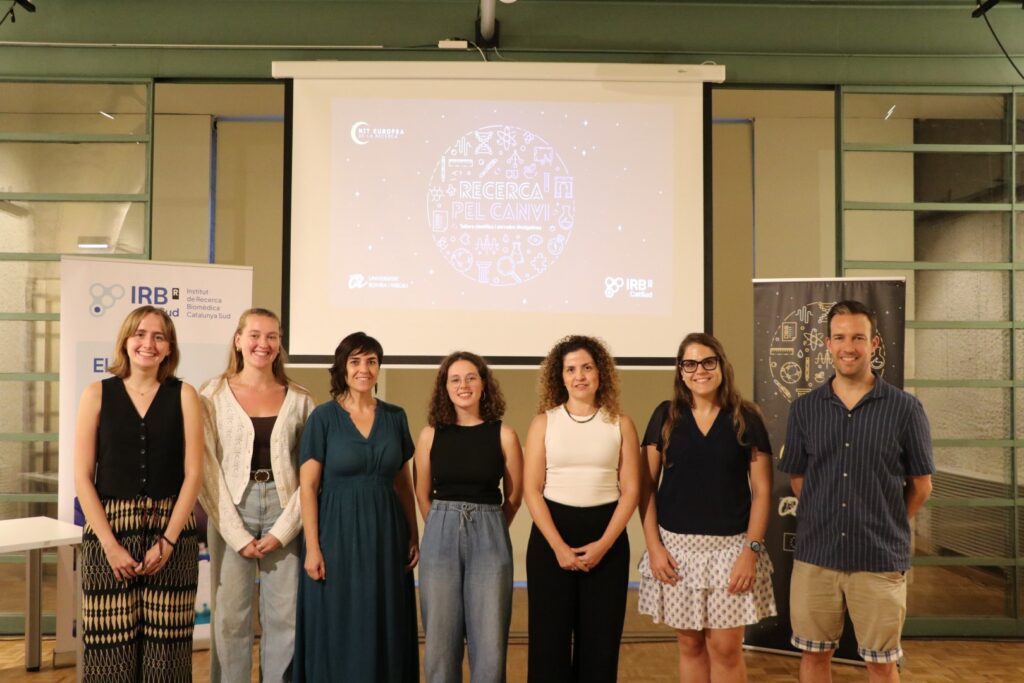
On Monday 21 September, around 80 people attended a series of seven micro-talks on science at the Castell del Cambrer in Reus. The event was organised by the Southern Catalonia Biomedical Research Institute (IRB CatSud) in collaboration with the URV. Researchers from the URV and the region’s CERCA institutes gave brief presentations on their lines of research in a range of fields.
European Researchers’ Night in the Terres de l’Ebre
European Researchers’ Night is also heading to the Terres de l’Ebre, reflecting one of the core aims of the European programme: to take knowledge to every corner of the region. On the afternoon of Friday 23 October, the workshop fair will set up in Tortosa’s Plaça de l’Ajuntament, offering some 10 science workshops for all ages on topics ranging from viruses, sport and health to aquatic plants, cell cultures, languages of the world and entrepreneurship.
A firmly established tradition
European Researchers’ Night is a public science outreach event that takes place on the same night every year in 300 cities across 30 European countries. The URV has organised it in the province of Tarragona since 2018, and over the past nine years it has grown into a firmly established event. Last year, it drew thousands of people from across the province. Its aim is to bring research, and the people behind it, closer to audiences of all ages, and to explain research and innovation in plain, accessible language.
The event is made possible thanks to the support of the European Union’s Horizon Europe research and innovation programme and a consortium of Catalan universities and public institutions coordinated by the University of Girona. In Tarragona, the region’s CERCA centres also take part: the Catalan Institute of Classical Archaeology (ICAC), the Catalan Institute of Chemical Research (ICIQ), the Catalan Institute of Human Paleoecology and Social Evolution (IPHES-CERCA) and the Southern Catalonia Biomedical Research Institute (IRB CatSud). The event is sponsored by Tarragona City Council through Europe Direct, with additional support from Mercats Tarragona, the food company Borges and PortAventura World.
