13/05/2026
Smart nanocapsules to attack cancer
A team from the Universitat Rovira i Virgili is investigating a new approach to treating cancer and pulmonary hypertension by targeting drugs exclusively at diseased tissue
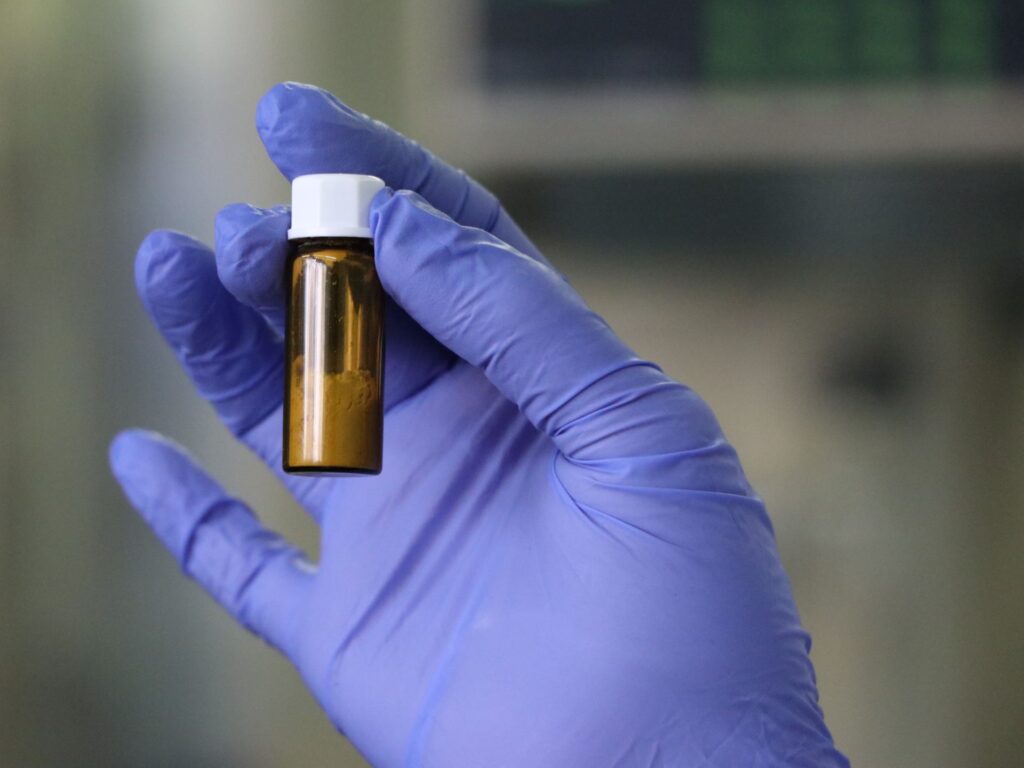
A team from the Universitat Rovira i Virgili is investigating a new approach to treating cancer and pulmonary hypertension by targeting drugs exclusively at diseased tissue
Cancer and pulmonary arterial hypertension are two serious diseases whose treatments share a common therapeutic problem: they can be effective against the diseased tissue, but often also affect healthy cells. In oncology, this problem is particularly relevant because, although many drugs are capable of eliminating tumour cells, they do so indiscriminately and thus damage the cells of other tissues and organs at the same time. This lack of selectivity means that doctors also need to administer high doses of medication, which lead to aggressive side effects that compromise patients’ quality of life and, in some cases, can even limit or interrupt treatments.
In the light of this, a research team at the Universitat Rovira i Virgili (URV) is working on an alternative approach: treating only the diseased tissue whilst protecting the rest of the body as much as possible. The research, which began in 2018, explores new ways of delivering drugs exactly where they are needed, with the aim of making treatments that are more precise, potentially shorter and that have fewer side effects.
Dual action: isolate the tumour and then attack it
It all began with an idea from Dr Miquel Sistaré, the project’s medical director and CEO of SisviLab, a company collaborating in the project: “In the Middle Ages, when you wanted to capture a fortress, you didn’t always attack it directly, but instead you would isolate it to cut off its supplies.” The idea was, therefore to apply the same approach to modern medicine, which in this case consists of surrounding the tumour or affected tissue to isolate it from the rest of the body and then act on it locally.
To make this possible, the team has decided to use nanocapsules. These tiny containers, once inside the body, have the ability to move freely until they reach the affected area, recognise it and adhere to it to release the active ingredient they contain. Thus, these capsules are not simple passive containers: “They are intelligent and selective and are designed to act only on the diseased tissue; once there they envelop it, isolate it from the rest of the body and attack it directly by releasing their active ingredients,” explains Ricard Garcia Valls, a researcher in the Department of Chemical Engineering at URV.
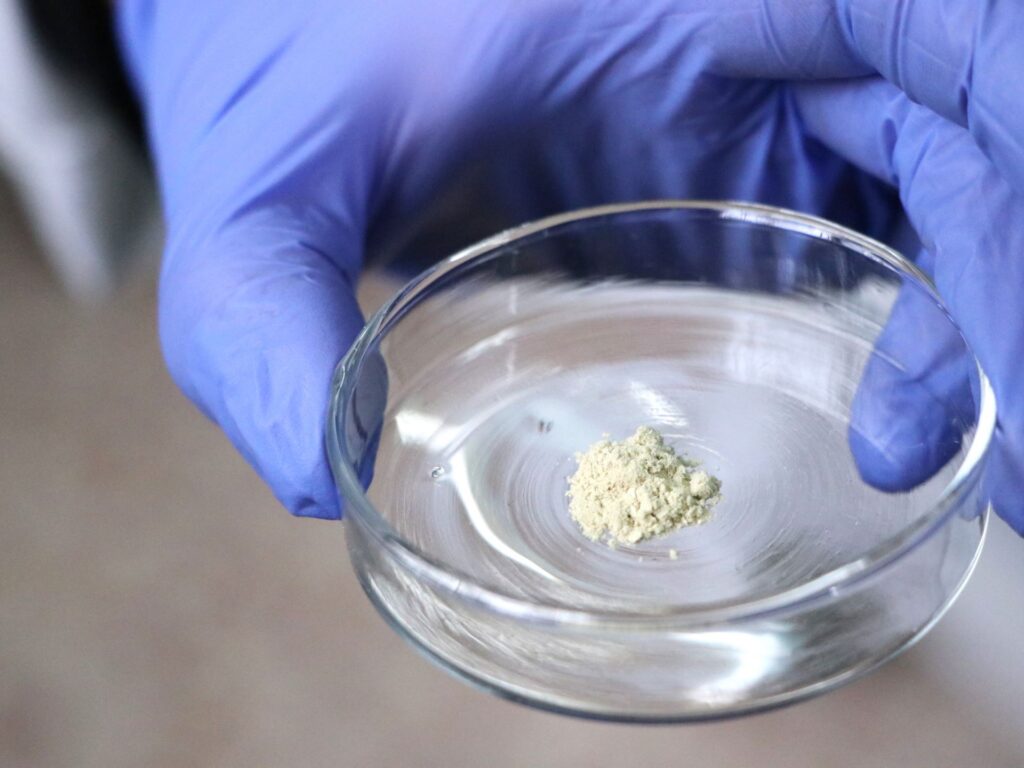
But how do the capsules manage to act only where they are needed? First of all, their physicochemical composition is designed so that they adhere only to tissue with the specific disease characteristics. After being administered, the capsules circulate through the body bypassing healthy tissues and accumulating on tissues to which they can attach. There is also an alternative strategy: “We can incorporate markers into these capsules, that is, compounds that trick a specific organ into recognising and absorbing them,” reveals Yaride Pérez Pacheco, a researcher in the same Department. In this way, it is not just that the capsule seeks out the tissue, but also that the affected organ itself signals for it.
Manufacturing the perfect capsule
For this mechanism to work, the capsules must have very precise morphological and physicochemical characteristics that are specifically designed to treat a particular type of cancer, as well as adequate resistance so they can travel through the body without opening prematurely. The nanocapsules developed by the URV team are made from biopolymers compatible with medical use and are between 200 and 300 nanometres in size, similar to a virus and smaller than a blood cell. It is essential that they be this small so they can circulate through the body without being retained by organs such as the liver or pancreas.
As any variation in the morphology and composition of the capsules can affect their behaviour within the body, the team have dedicated much of their research to perfecting the manufacturing process. “We produce the nanocapsules using an atomisation process,” says Joan Rosell, a researcher in the Department of Chemical Engineering. “A liquid solution is nebulised in a controlled environment, transforming it into a cloud of very fine droplets; these droplets dry rapidly and are collected as solid particles.”
More effective treatments with fewer side effects
The main advantage of this approach over traditional oncological treatments is that it allows much lower doses of medication to be administered, since the drug is directed exclusively to the site where it needs to act. According to the researchers, approaches such as this have the potential to reduce the duration of treatments and, thanks to the drug being targeted, greatly diminish side effects.
At the same time, they point out that this strategy could broaden the range of patients eligible for certain treatments to include children, pregnant women or people with other conditions, for whom the adverse effects of conventional treatments are particularly problematic. It also opens the door to using drugs that, despite being highly effective against cancer, have been avoided until now because they had too negative an impact on healthy tissue.
After seven years of research, the team has achieved a high level of control over the quality and composition of the nanocapsules. To date, they have carried out in vitro tests—that is, experiments on cells under laboratory conditions—with positive results indicating that the technique works and has potential. The project is now entering a new phase with the start of the first in vivo tests in animal models. At the same time, the team has begun to scale up the production of the nanocapsules, a necessary step to ensure that they have sufficient quantities for these studies, although the doses required remain very low.

However, the researchers recognise that there is still a long way to go before pharmaceutical products can be developed and released onto the market. Depending on the pathology to be treated, these would necessarily take various forms, including intravenous administration via serum (widely used in hospital settings), inhalers and nebulisers (which would allow the nanocapsules to be applied directly to the respiratory system) or even orally administered tablets.
Finally, the researchers stress that this technology is not limited to cancer or pulmonary hypertension, and that it has the potential to treat other pathologies: “The same principle could be applied to other diseases such as, for example, infections, where we could direct antibiotics exclusively to the focus of the infection.” In a context of growing resistance to antibiotics, this approach could help to reduce their indiscriminate use.
