01/07/2024
The URV hosts the eleventh International Conference of the Hispanic Humanities Association
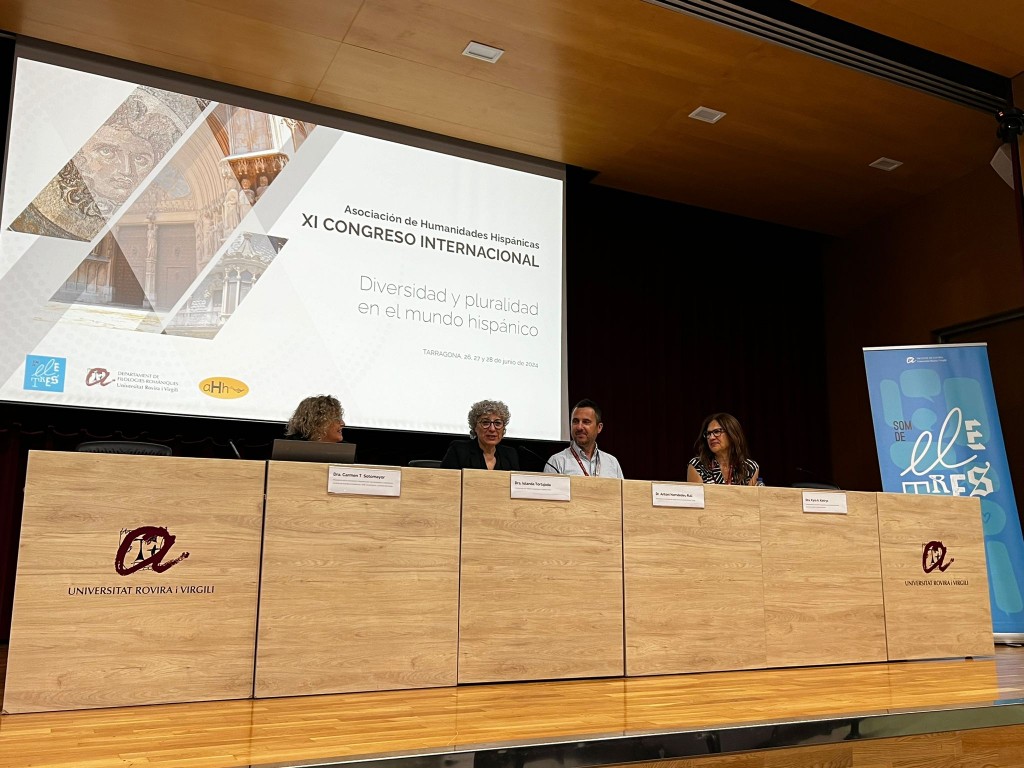
This year's edition dealt with diversity and plurality in the Hispanic world and brought together more than 140 specialists from nine countries.
This year's edition dealt with diversity and plurality in the Hispanic world and brought together more than 140 specialists from nine countries.
The eleventh edition of the International Conference of the Hispanic Humanities Association was hosted for the first time by the URV. From 25 to 28 June, professors, researchers, writers, students and postgraduates attended the event, which focused on the study, research and dissemination of Hispanic humanities. In total, more than 140 participants from Spain, the United States, France, Italy, the Czech Republic, Taiwan, Chile, Colombia and Canada, including some 40 from the URV, took part in the activities organised by the Hispanic Humanities Association, in collaboration with the URV’s Faculty of Arts, the Department of Romance Languages and the LEXELE Foreign Language Teaching and Lexicography Research Group.
The diversity of Hispanic humanities
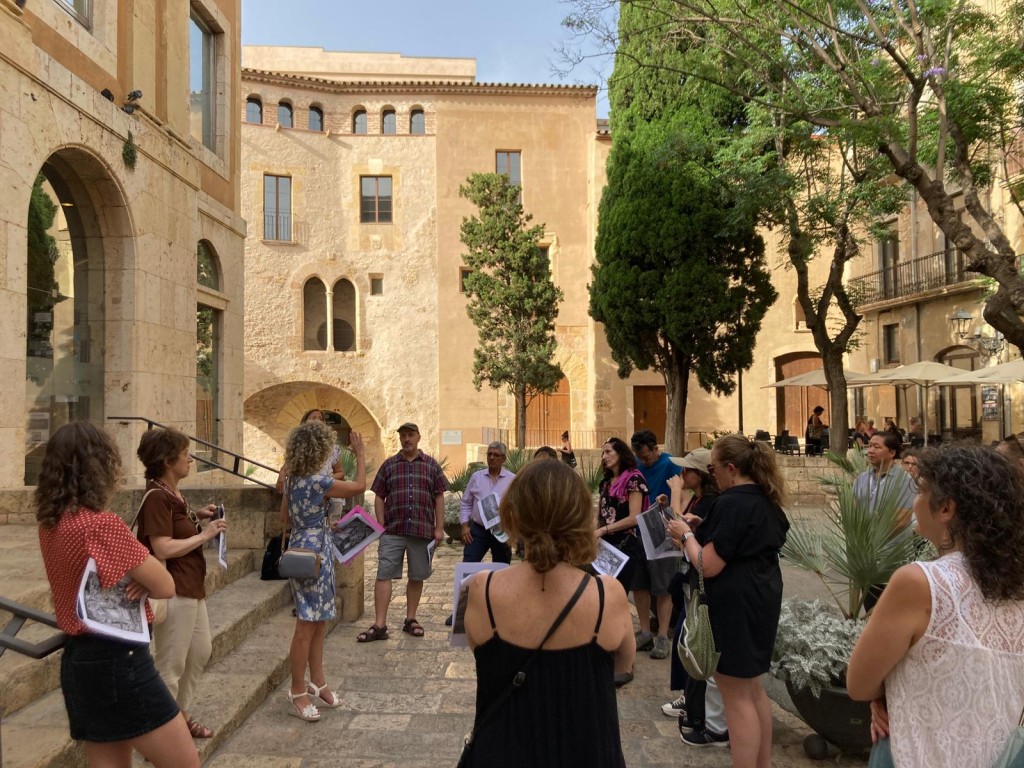
This year, the Conference has revolved around the theme “Diversity and Plurality in the Hispanic World“, focusing in particular on research in cultural studies, literature and the teaching of Spanish as a foreign language. Academic and cultural activities were held over the course of the four days and included conferences, round tables, audiovisual projections and presentations. In addition, attendees were able to get a first-hand look at the city of Tarragona through three guided tours led by professors and researchers from the University: one focused on modernist Tarragona, led by Maria Teresa Velasco, another was on Roman Tarraco, led by Joaquín Ruiz, and the last was on medieval Tarragona, led by Marta Serrano.
According to the World University Rankings 2024, the URV is in position 251-300 in the “Arts & Humanities” subject. The aim of holding conferences of this kind is to improve this position by promoting the internationalisation of the university. They facilitate interactions between professors and experts from around the world and are a platform for presenting and disseminating their research to a global audience. Antoni Nomdedeu, dean of the Faculty of Arts and URV coordinator of the conference, stressed that “taken as a whole, it all helps to raise the profile of research carried out at the URV and make it known in many countries and to many people”. At the same time, it gives students the opportunity to listen to and meet professionals in the sector from all over the world.
Connection between the URV and the local area
The link between the University and the area that is serves has been crucial to the success of all these activities. “The URV’s Catalunya Campus is very well located and has enabled the participants to get to know both the University and the city Tarragona not only from a recreational point of view, but also from an educational one”, explains Antoni Nomdedeu. Moreover, he adds that this “has meant that most of the participants, who had not been to Tarragona before, have come away with a positive image of the city and the University”.
