22/10/2025
A diet rich in antioxidants may prevent neuromuscular deterioration
A Universitat Rovira i Virgili research project studies how ageing affects the transmission mechanisms between neurons and muscles, while testing the potential of antioxidants in the prevention of this deterioration
A Universitat Rovira i Virgili research project studies how ageing affects the transmission mechanisms between neurons and muscles, while testing the potential of antioxidants in the prevention of this deterioration
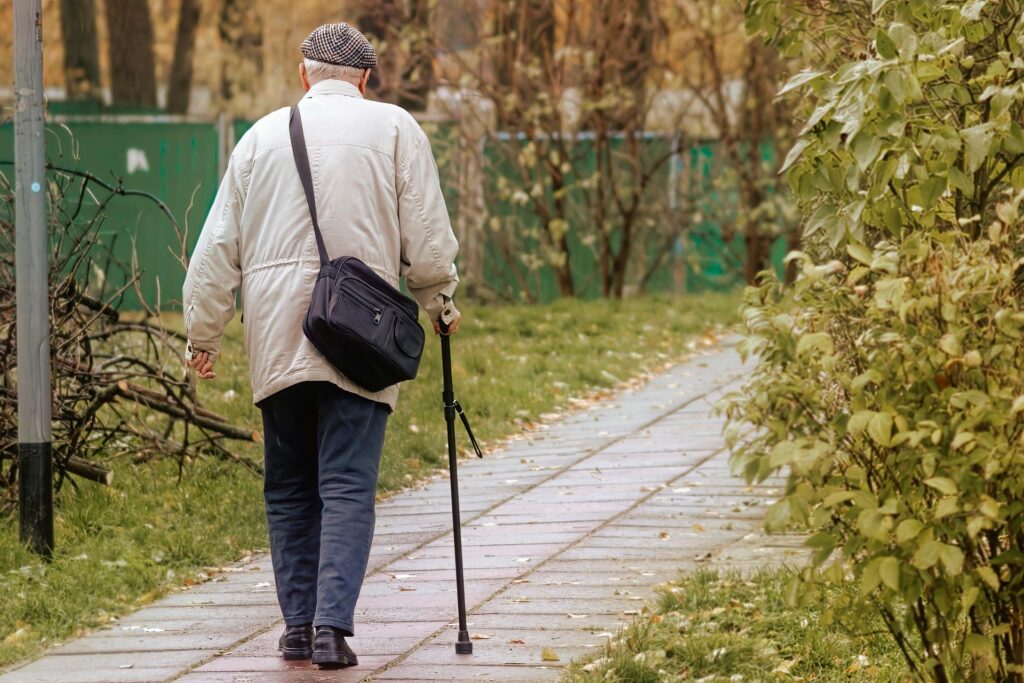
Aging involves a progressive loss of strength and coordination which means that everyday actions such as walking or picking up shoes can become a challenge from a certain age onwards. One of the key factors behind this phenomenon is the deterioration of neuromuscular synapses, the connections between muscles and neurons that coordinate motor function. With age, this connection loses stability and the bidirectional communication between nerves and muscles is partially altered, which in turn affects the ability to move.
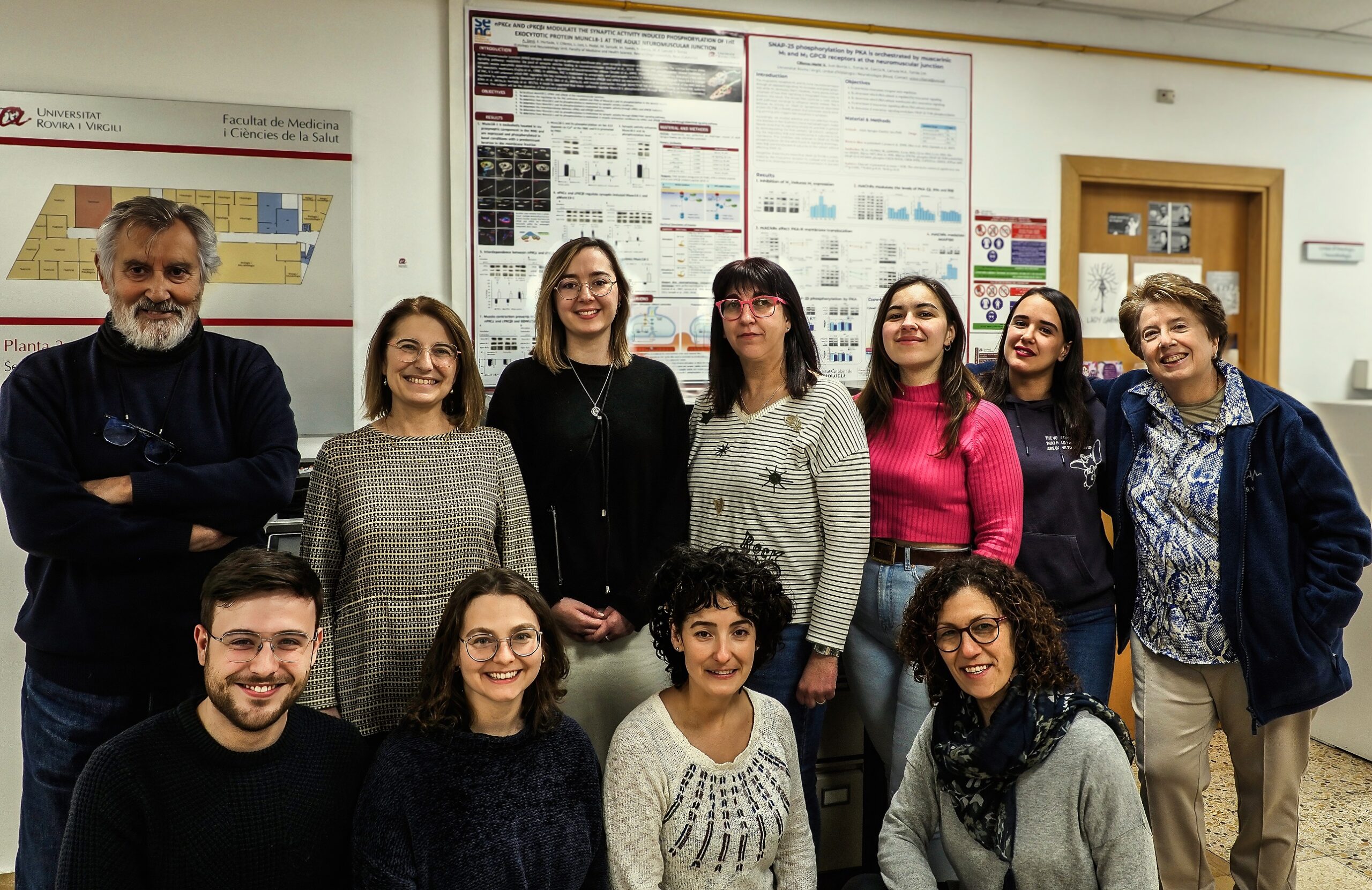
Given the lack of understanding of the mechanisms that lead to the deterioration of neuromuscular junctions, the Universitat Rovira i Virgili’s Histology and Neurobiology Unit (UHNeurob) research group, in collaboration with the MoBioFood group, has analysed how food affects the molecules involved in neurotransmission and how a diet rich in antioxidants may prevent its deterioration.
By studying the neuromuscular junctions of young and older women, the research team detected important molecular differences: “One of the most significant revelations was the ability of the neuromuscular synapses to keep the system efficient despite ageing,” explains María Angel Lanuza, a researcher at the URV’s Department of Basic Medical Sciences. What these unions do is adapt to the dysfunctions of aging by modifying the presence of components that inhibit or promote the transmission of information.
However, the analysis has revealed that more of the molecules involved in the release of these components – known as neurotransmitters – are affected by aging and that this in turn affects the transmission of information between neurons and muscles. “This deterioration can compromise the functionality of synapses; therefore, strategies to improve their functioning should focus on the release of neurotransmitters,” Lanuza reveals.
Previous research has revealed that oxidative stress is one of the main causes of the deterioration associated with ageing. This phenomenon occurs when unstable molecules known as free radicals accumulate and damage the structure of cells, thus compromising their function. Fortunately, the problem has, to a certain extent, a solution: a diet rich in antioxidants.
To determine such a diet’s impact on the organism, the research team administered a grape seed extract with a high antioxidant content to aged rats. The results were promising: the extract helped to maintain the balance of the signals that directs the release of neurotransmitters, whilst improving the functioning of synapses.
“These results support the regular consumption of antioxidant-rich foods as part of an innovative diet-based strategy to promote healthy aging,” says Lanuza. Nevertheless, the authors stress the need for further research to fully understand the phenomenon of neuromuscular aging and how to mitigate its effects, especially in humans.
The authors also take the opportunity to remind us that the benefits of a good diet must always be accompanied by an active lifestyle, which is essential to maintaining neuromuscular and general health over the years: “Diet has a profound impact on the functioning of our organism, often as important as the exercise we do throughout the day”.
References: Balanyà-Segura M, Polishchuk A, Just-Borràs L, Cilleros-Mañé V, Silvera C, Jami-ElHirchi M, Pinent M, Ardévol A, Tomàs M, Lanuza MA, Hurtado E, Tomàs J. Protective effects of grape seed procyanidin extract on neurotrophic and muscarinic signaling pathways in the aging neuromuscular junction. Food Funct. 2025; 16(9):3575-3590. doi: 10.1039/d5fo00286a.
Balanyà-Segura, M.; Polishchuk, A.; Just-Borràs, L.; Cilleros-Mañé, V.; Silvera, C.; Ardévol, A.; Tomàs, M.; Lanuza, M.A.; Hurtado, E.; Tomàs, J. Molecular Adaptations of BDNF/NT-4 Neurotrophic and Muscarinic Pathways in Ageing Neuromuscular Synapses. Int. J. Mol. Sci. 2024, 25, 8018. https://doi.org/10.3390/ijms25158018 .
