28/09/2026
The balls parlats shine a light on social inequality and conflict
The international conference, organised by the Department of Catalan Studies, takes several balls parlats to the streets, where they reinterpret and modernise the role that patriarchy has traditionally assigned to women
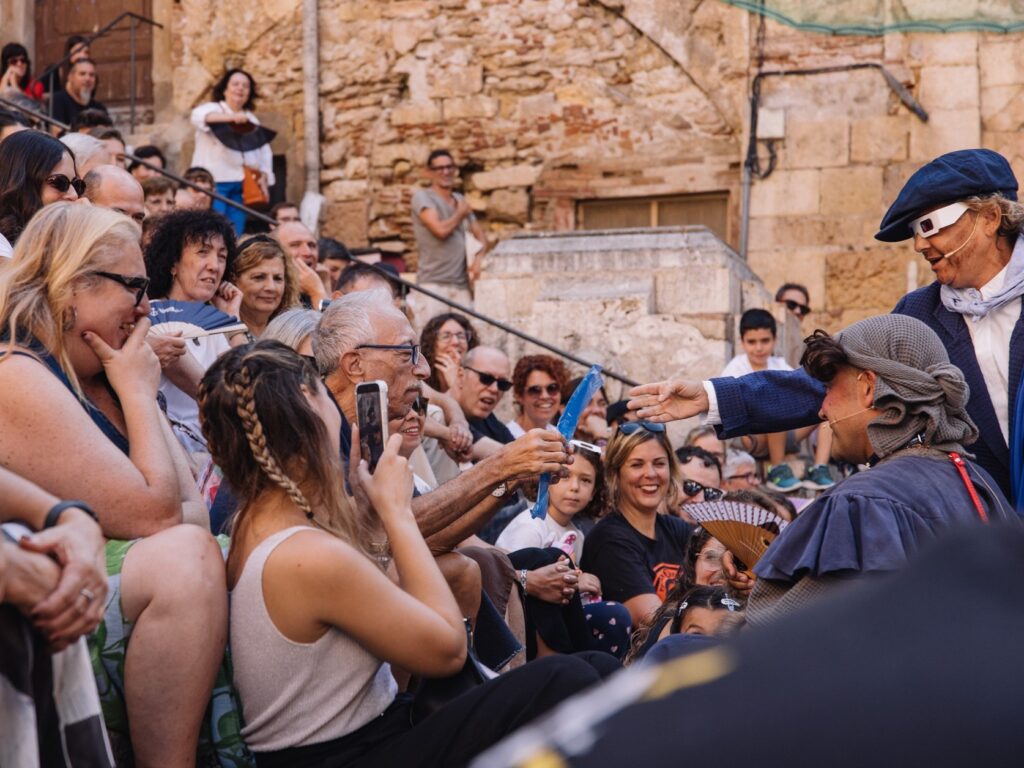
The international conference, organised by the Department of Catalan Studies, takes several balls parlats to the streets, where they reinterpret and modernise the role that patriarchy has traditionally assigned to women
Balls parlats (literally “spoken dances”) have shaped a festive tradition that is distinctive to southern Catalonia, and it still prevails there today. In some towns they never disappeared. In others, they were revived after democratic local councils were restored in the late 1970s.
Twelve years after it was last held, the conference on balls parlats has returned to the Universitat Rovira i Virgili. Specialists gathered for the Third International Conference on Balls Parlats: “Balls Parlats from a Gender and Decolonial Perspective” to examine this centuries-old form of popular street theatre, performed in verse, in a 21st-century context.
The conference was held in Tarragona from 24 to 26 September. Participants analysed texts and performances from the perspectives of gender, counter-hegemonic resistance and anti-colonial critique. These approaches help reveal the social inequalities and conflicts in the places where balls parlats and similar traditions are still kept alive: Catalonia, other parts of the Iberian Peninsula, regions of Europe and overseas countries with an Iberian heritage.
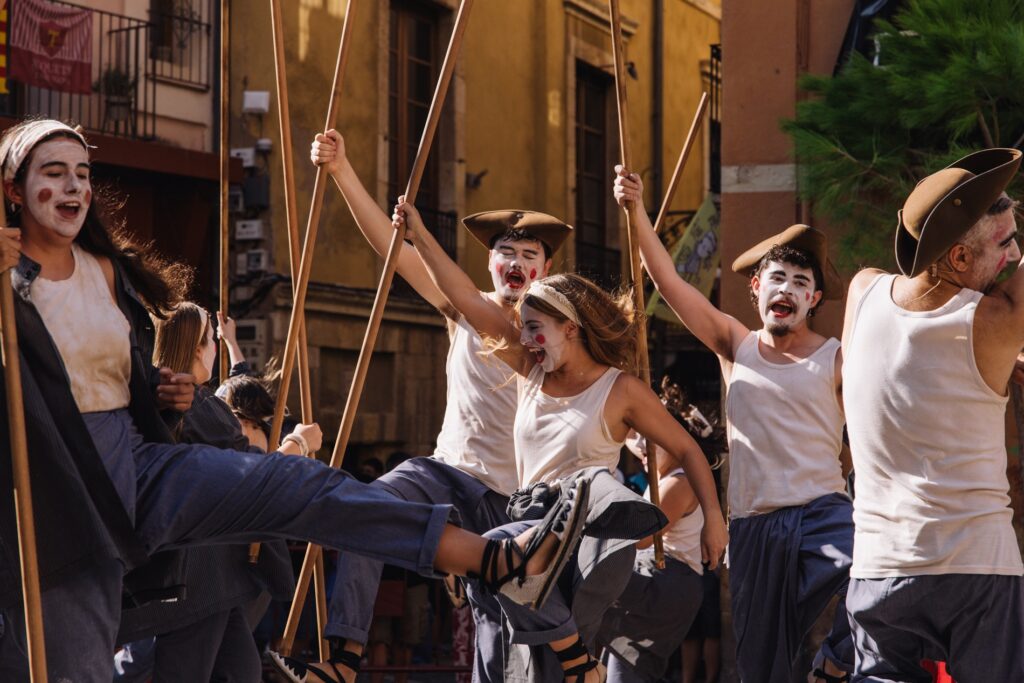
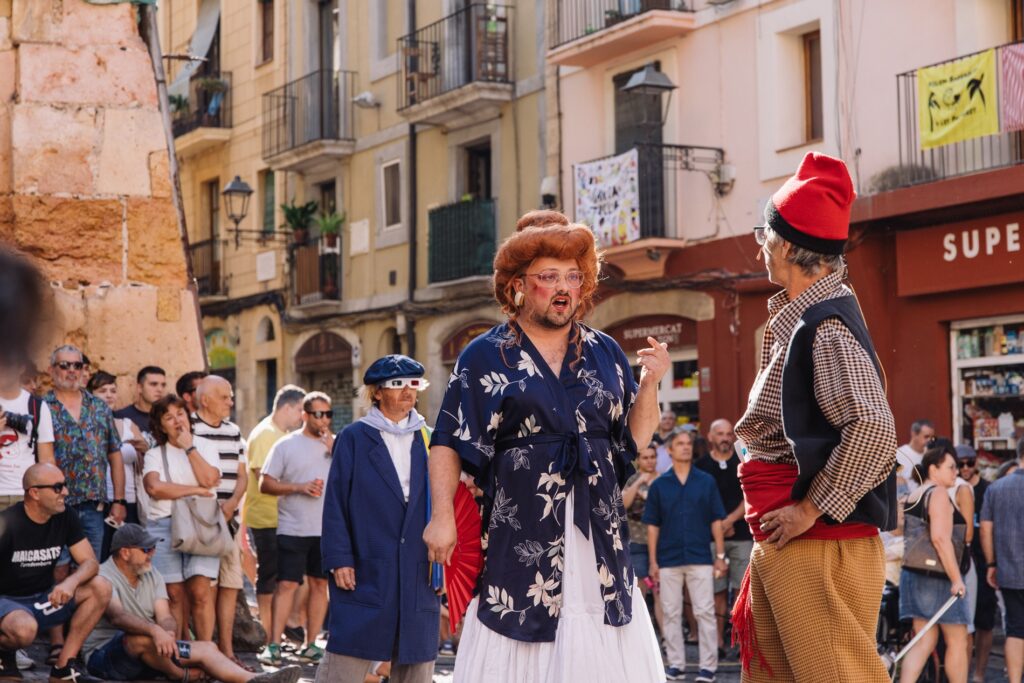
Several papers looked at the role of women in balls parlats and how it has been shaped by historical context. Others examined the language used to refer to women in the verses recited in popular street theatre, and the presence and prominence of female saints and the Virgin Mary. On Saturday 26 September, four balls parlats took to Tarragona’s Plaça de les Cols for a Balls Parlats Showcase held to coincide with the conference. There, they brought the new perspectives, inequalities and conflicts of the 21st century to life.
The Ball de Sebastiana del Castillo from Tarragona, the Ball de Malcasats from Torredembarra, the Ball de la Rosaura from Reus and the Ball de Sogra i Nora, also from Tarragona, brought the conference to a close. These performances reinterpreted and modernised the role that patriarchy has historically assigned to women in these art forms: that of the wrongdoer, the instigator of sin, the victim, and the one held responsible for the most tragic events, for the lack of faith of her fellow townspeople and for the misfortunes that follow.
Exhibition at the Catalunya Campus CRAI
The exhibition “Balls Parlats from a Gender and Decolonial Perspective” is on at the Catalunya Campus Learning and Research Centre (CRAI) until 9 October. It was curated by Ònia Amenós, Pau Cabré and Laia Ventura under the supervision of Francesc Massip. The exhibition traces the history, origins and evolution of balls parlats. It explores themes such as spectacle, women and festivity, the figure of the festive devil, and verse performed in the streets and around the town. It also looks at the periods in which these popular traditions flourished and declined, and is accompanied by a bibliographic display on balls parlats and the festive elements associated with them.
A singular festive tradition that has stood the test of time
While balls parlats were being revived on the streets in the late 1970s, scholars began to study some of their earliest texts. This work started in the module on History of Catalan Theatre, part of the Bachelor’s Degree in Catalan Studies, which Guillem-Jordi Graells taught until 1981 at what was then the University of Barcelona’s Tarragona campus, the seed from which the Universitat Rovira i Virgili would grow.
Montserrat Palau, a lecturer in the URV’s Department of Catalan Studies, then took up the baton and led a second phase of research. This culminated in 1990 at the first conference, “Balls Parlats in New Catalonia: Catalan Popular Theatre”, where researchers reached a consensus on how to name and classify these forms of popular theatre.
The third conference was held in the Sala de Graus (ceremonial hall) on the Catalunya Campus, following the second in 2014, which Francesc Massip, full professor of Theatre History, turned into an international event. The first conference laid the foundations for classifying these cultural traditions and had already begun to relate them to similar forms of popular theatre in other regions. The second broadened these comparisons and identified similarities with traditions from all over the world, and this year’s conference has explored today’s social inequalities and conflicts through the balls themselves.
